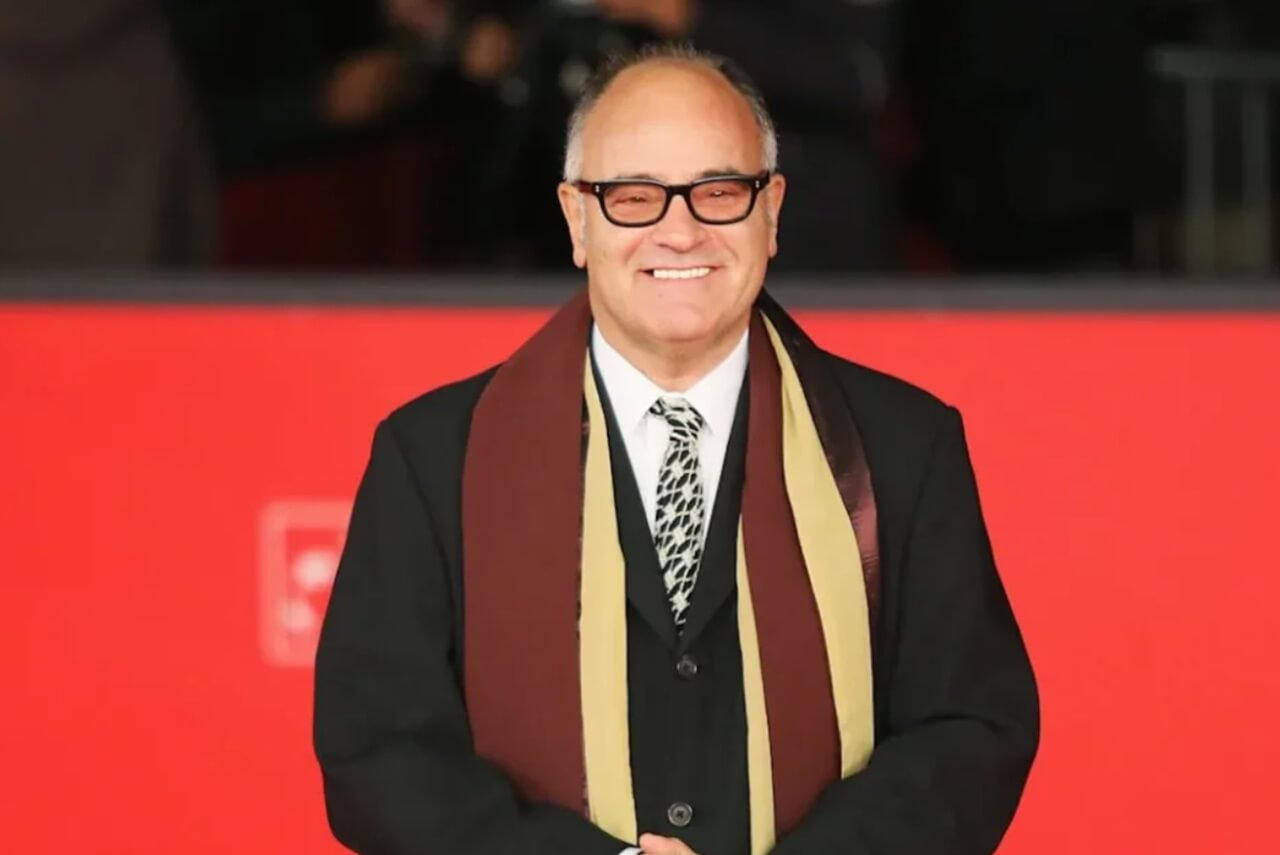
Amos Poe, an influential figure in New York’s underground film movement and a key chronicler of the city’s 1970s punk scene, has died. He passed away peacefully on Christmas Day, his wife, Claudia Summers, confirmed on Thursday. Poe was 76. The director had been battling stage 4 colon cancer since his diagnosis in 2022. Summers shared updates throughout his illness on social media and confirmed that he was surrounded by loved ones at the time of his death.
Capturing the Spirit of Punk-Era New York
Poe is best known for his groundbreaking 1976 film The Blank Generation, widely regarded as a landmark work documenting the raw energy of New York’s emerging punk scene. Shot in a cinéma vérité style, the film offered an unfiltered look at the music, fashion, and attitudes that defined a rebellious cultural moment.
The documentary featured performances and appearances by artists including Patti Smith and Talking Heads, capturing them before they became global icons. Poe co-directed the film with guitarist Ivan Král, adding a musician’s sensibility to its visual storytelling. According to Rolling Stone, The Blank Generation ranks among the 25 greatest punk rock films ever made, a testament to its enduring influence.
A Career Rooted in Music and Independent Film
Poe’s filmmaking career began with a music short featuring Roxy Music and David Bowie, signaling his early connection to the intersection of sound and image. He went on to direct a range of independent features, including Alphabet City and Frogs for Snakes, both of which reflected his fascination with urban life and outsider characters. In addition to narrative films, Poe directed music videos for major hip-hop and metal acts such as Anthrax and Run-DMC, demonstrating his versatility and continued relevance across evolving music scenes.
A Complicated Legacy
Despite the acclaim surrounding The Blank Generation, Poe’s relationship with the film remained fraught. The New York Times reported that Poe lost ownership of the film following a legal dispute. His name was later removed from a re-edited version, a development that remained a source of deep frustration for the director. Even so, critics and filmmakers agree that Poe’s contribution to independent cinema cannot be erased. His work helped define the visual identity of a generation that rejected polish in favor of authenticity and defiance.
Remembered as a Singular Artistic Voice
Tributes from fans and fellow filmmakers have poured in, celebrating Poe as a fearless artist who documented a transformative era in New York City’s cultural history. His films remain essential viewing for anyone seeking to understand the roots of punk and the rise of American underground cinema. As the city he so vividly portrayed continues to evolve, Amos Poe’s work stands as a lasting record of a time when art, music, and rebellion collided.