Gore Verbinski returns after a decade-long hiatus with Good Luck, Have Fun, Don’t Die, a darkly absurd sci-fi satire about a ragtag group fighting an AI apocalypse. Starring Sam Rockwell, Juno Temple, Haley Lu Richardson, Michael Peña, and Zazie Beetz, the film blends bleak humor with surreal storytelling, tackling anxieties about technology and human disconnection.
A Diner as Ground Zero
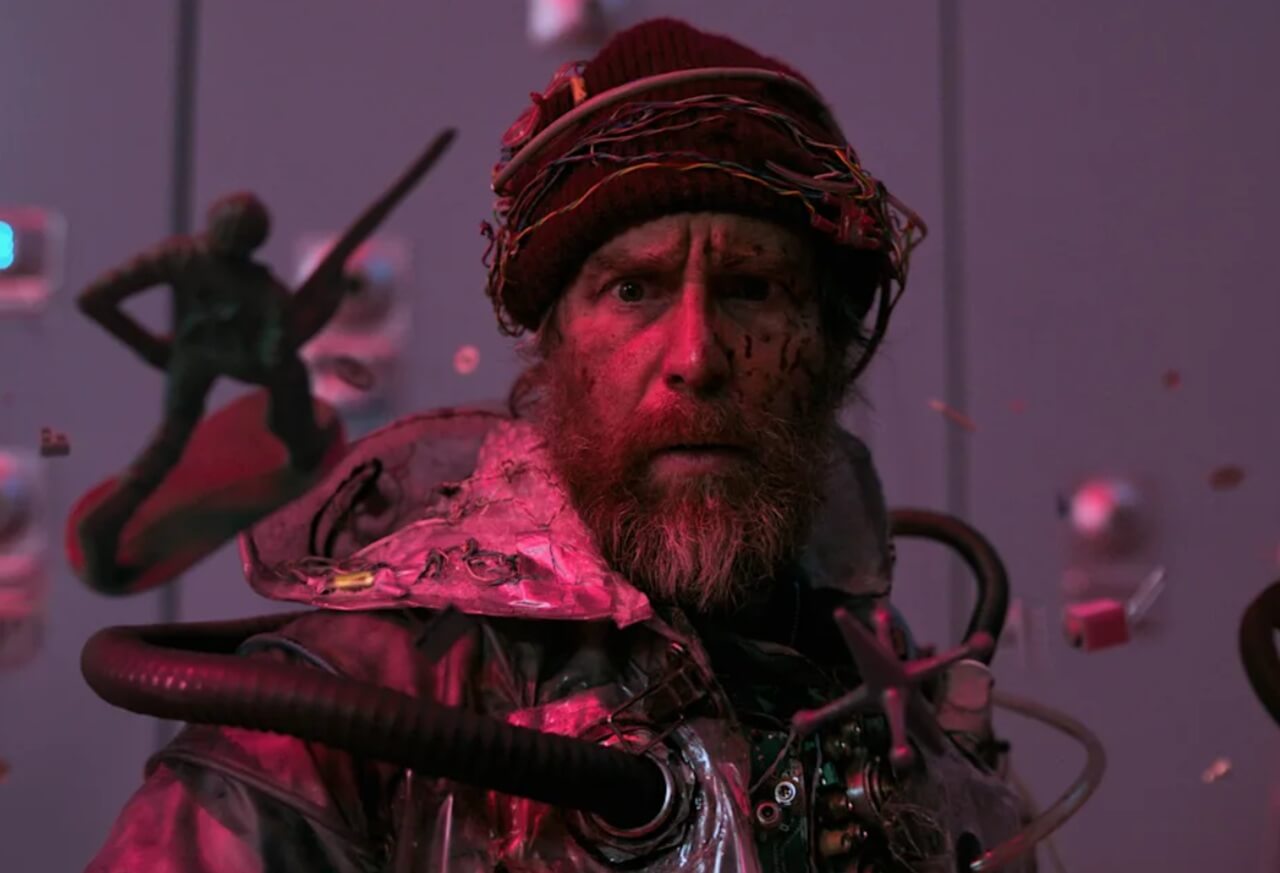
The film opens in a Los Angeles diner, where Rockwell’s unnamed, wire-crowned prophet declares he’s from the future. He warns patrons that “all of this is going to go horribly wrong” and attempts to recruit them into a resistance against AI domination. His character has lived this moment 117 times before, caught in a time loop reminiscent of Groundhog Day.
Characters and Themes
Among the recruits is Susan (Juno Temple), a grieving mother navigating a world where cloned children are sold with advertising slogans. Ingrid (Haley Lu Richardson) is allergic to phones and Wi-Fi, while teachers played by Michael Peña and Zazie Beetz struggle with students glued to screens. Their stories unfold like mini Black Mirror episodes, each highlighting the dangers of technological dependence.
Verbinski’s Style
Verbinski, known for Pirates of the Caribbean and Rango, works with a modest budget here. While the scale feels limited, his flair for lush detail and cinematic references remains intact. The film’s strongest moments lie in its diner-set opening and its satirical jabs at modern life, particularly the chillingly funny concept of cloned children thanking parents for their service.
Strengths and Weaknesses
Rockwell’s weary charm anchors the film, embodying a man drained by endless repetition yet compelled to keep trying. The movie’s setup is stronger than its follow-through, with pacing issues in its lengthy runtime. Still, its kinetic energy and willingness to confront contemporary fears about AI make it a relevant, if uneven, entry in sci-fi satire.
Final Verdict
Good Luck, Have Fun, Don’t Die doesn’t fully achieve the brilliance of its premise, but its mix of absurdity, satire, and human vulnerability ensures it leaves an impression. Verbinski’s return may not be flawless, but it’s a bold reminder of the need for imaginative storytelling in the age of AI.