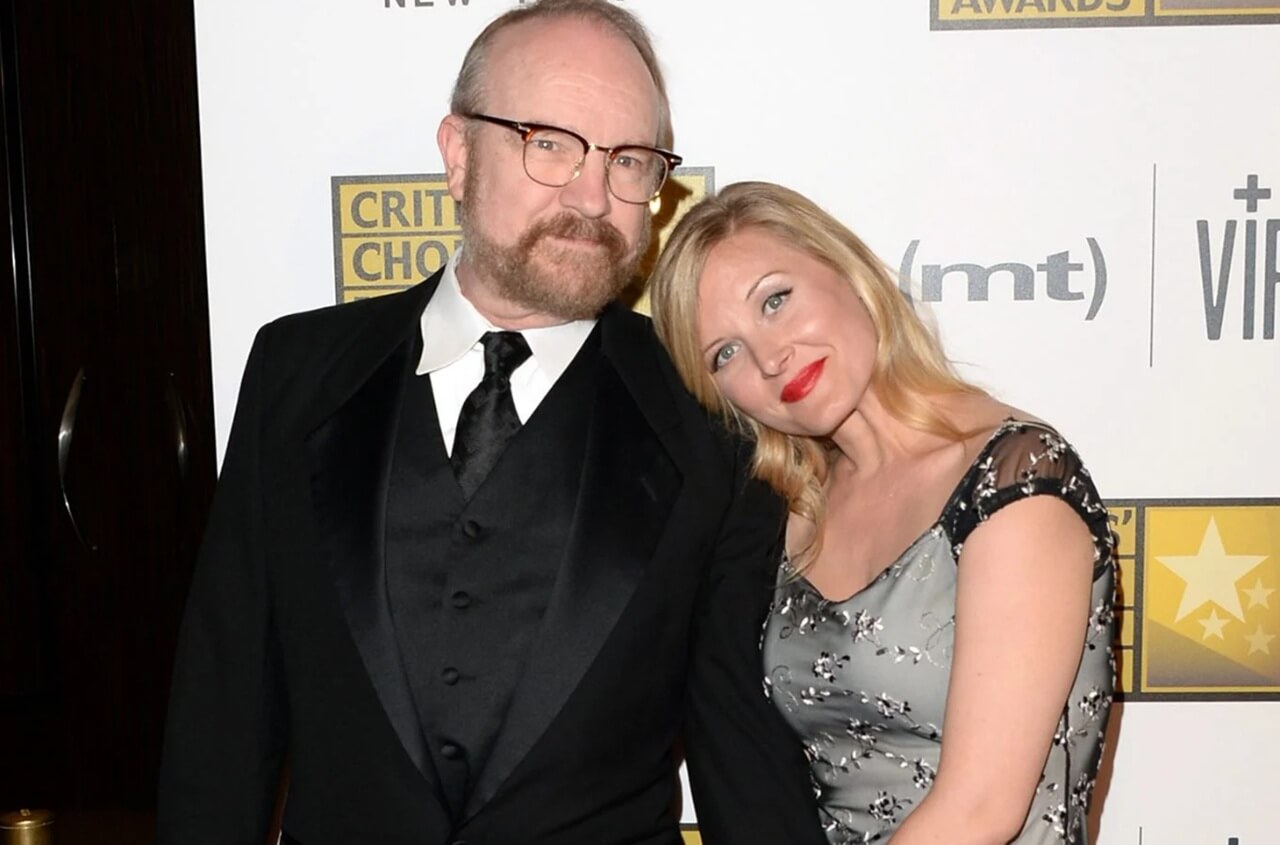
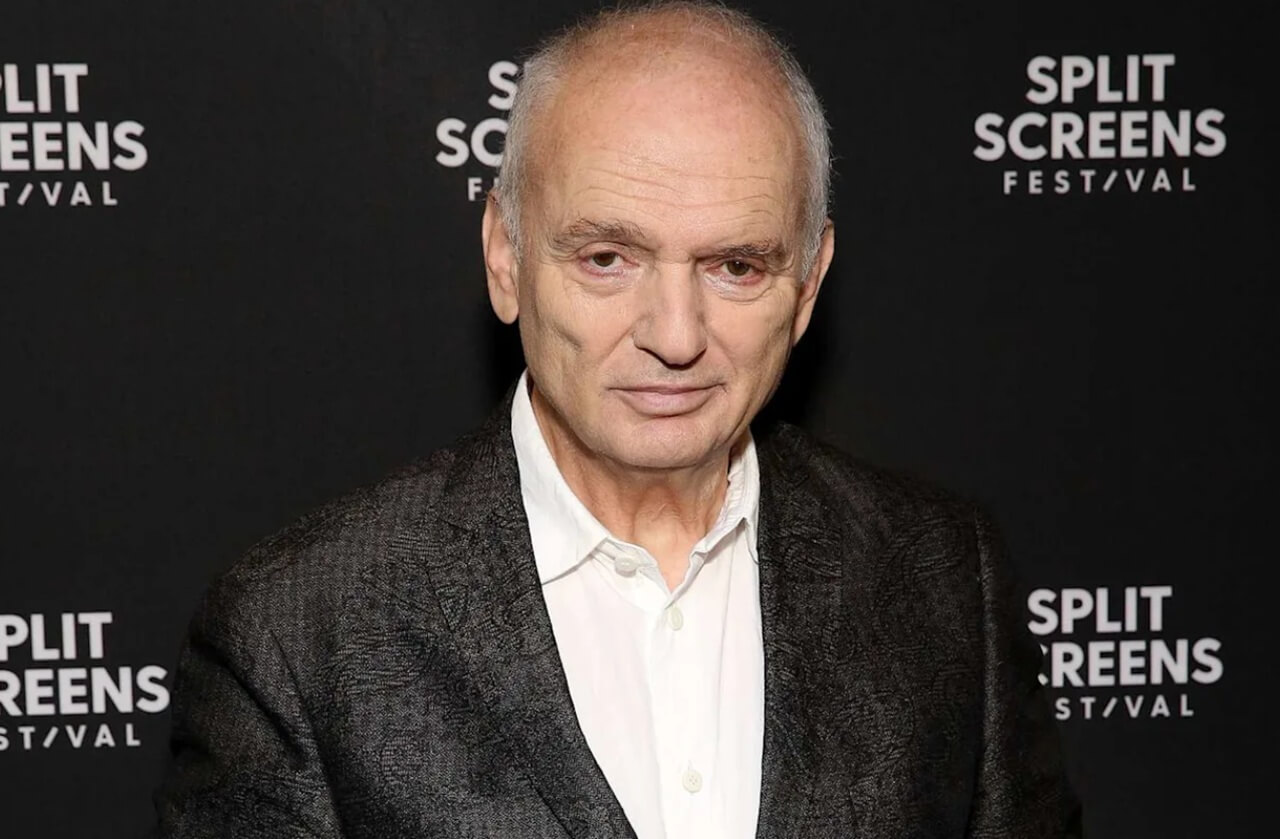
At a recent panel at the Museum of the Moving Image in New York City, David Chase, creator of HBO’s The Sopranos, reflected on the show’s early development and revealed surprising details about its original script.
The Original Pitch
Chase explained that when he first pitched the series to networks, he had to tone down the violence. “The first draft that I did, which was for Fox…nobody got killed because it was a network show,” he said. Concerned about network standards, Chase avoided depicting Tony Soprano committing murder. Unsurprisingly, the project was rejected.
HBO’s Breakthrough
Determined to make the story authentic, Chase rewrote the script to include the darker elements of organized crime. In the revised version, Christopher Moltisanti kills a Czechoslovakian man—a pivotal moment that convinced HBO to greenlight the series. That decision gave Chase the creative freedom he needed to craft one of television’s most groundbreaking dramas.
Legacy and Impact
The panel also featured cast members Steven Van Zandt and Ariel Kiley, who joined Chase in celebrating the show’s enduring legacy. Chase, now 80, expressed gratitude for HBO’s support and reflected on the series’ lasting popularity. “I still feel this tremendous sense of gratitude that it’s still going on,” he said.
During its six-season run from 1999 to 2007, The Sopranos won 21 Emmy Awards, five Golden Globes, and two Peabody Awards. Much of its success was driven by James Gandolfini’s iconic portrayal of Tony Soprano, a mob boss whose complexity redefined television drama.
Cultural Significance
Looking back, Chase admitted that The Sopranos was “the best thing I probably will ever do.” Nearly two decades after its finale, the series continues to influence modern television, proving that bold storytelling and uncompromising authenticity can change the medium forever.