Key Points
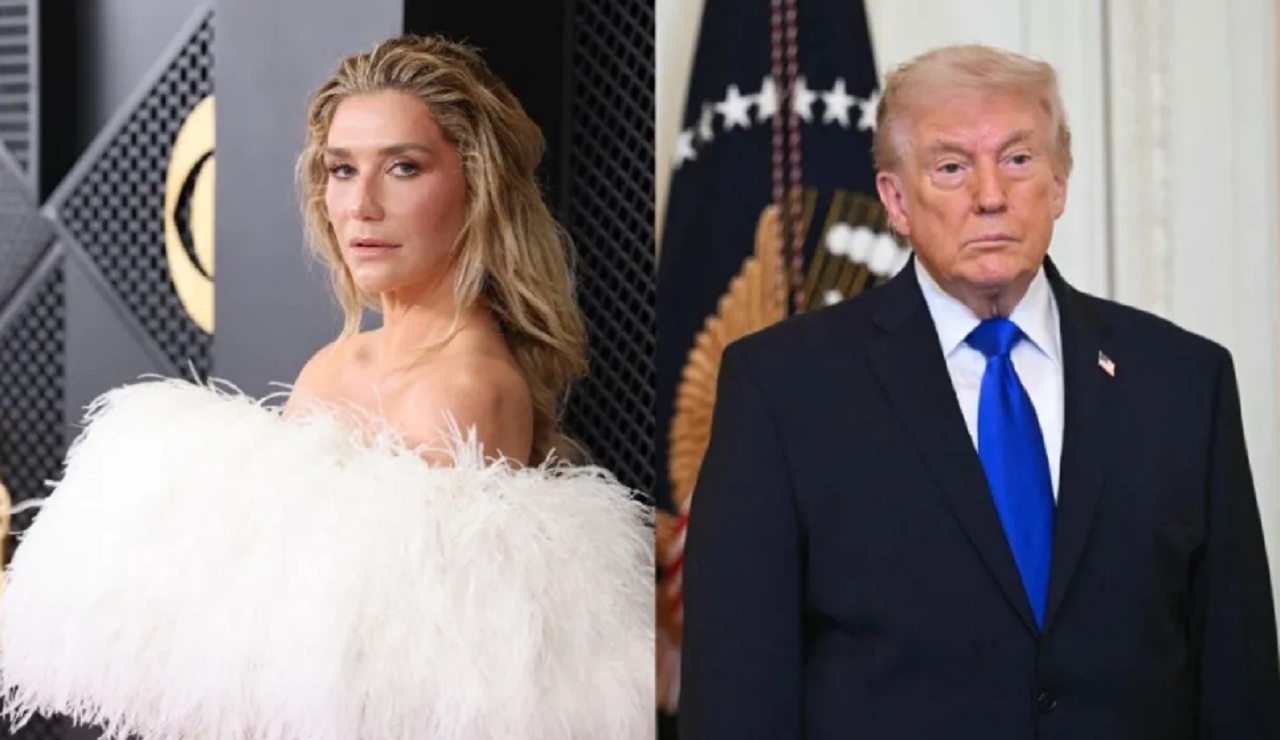
- Kesha criticized the White House and President Donald Trump for using her 2011 track “Blow” in a TikTok post featuring fighter jets.
- The singer said her music was used to “incite violence and threaten war” without her permission.
- The video showcased U.S. military aircraft and missile strikes with the caption “Lethality.”
- Kesha urged fans to focus on love over hate and denounced attempts to glorify war.
- Her comments follow recent U.S. strikes on Iran, which killed several officials.
Kesha’s Outrage Over Unauthorized Use
Pop star Kesha has publicly condemned the White House for using her song “Blow” in a TikTok video that highlighted U.S. fighter jets in action. The clip, posted on March 2, featured military aircraft and missile strikes, accompanied by the caption “Lethality.”
“It’s come to my attention that the White House has used one of my songs on TikTok to incite violence and threaten war,” Kesha wrote on X (formerly Twitter). “Trying to make light of war is disgusting and inhumane. I absolutely do NOT approve of my music being used to promote violence of any kind.”
Singer’s Message of Peace
The 39-year-old artist emphasized her opposition to violence, adding: “Love always trumps hate. Please love yourself and each other in times like this. This show of blatant disregard for human life and quite frankly this attack on all of our nervous systems is the opposite of what I stand for.”
Kesha also referenced Trump’s alleged ties to the Jeffrey Epstein case, urging fans not to lose sight of broader issues.
Context: Military Strikes and Music Backlash
The controversy comes just days after Trump’s administration ordered strikes on Iran, killing several officials. Kesha followed up with another post, bluntly stating: “Stop using my music, perverts @WhiteHouse.”
She joins a growing list of musicians who have objected to their work being used in political or military contexts without consent.
What Happens Next?
It remains unclear whether Kesha will pursue legal action over the unauthorized use of her music. For now, her statements add to the ongoing debate about how art is leveraged in political messaging—and the responsibility of governments to respect artists’ rights.