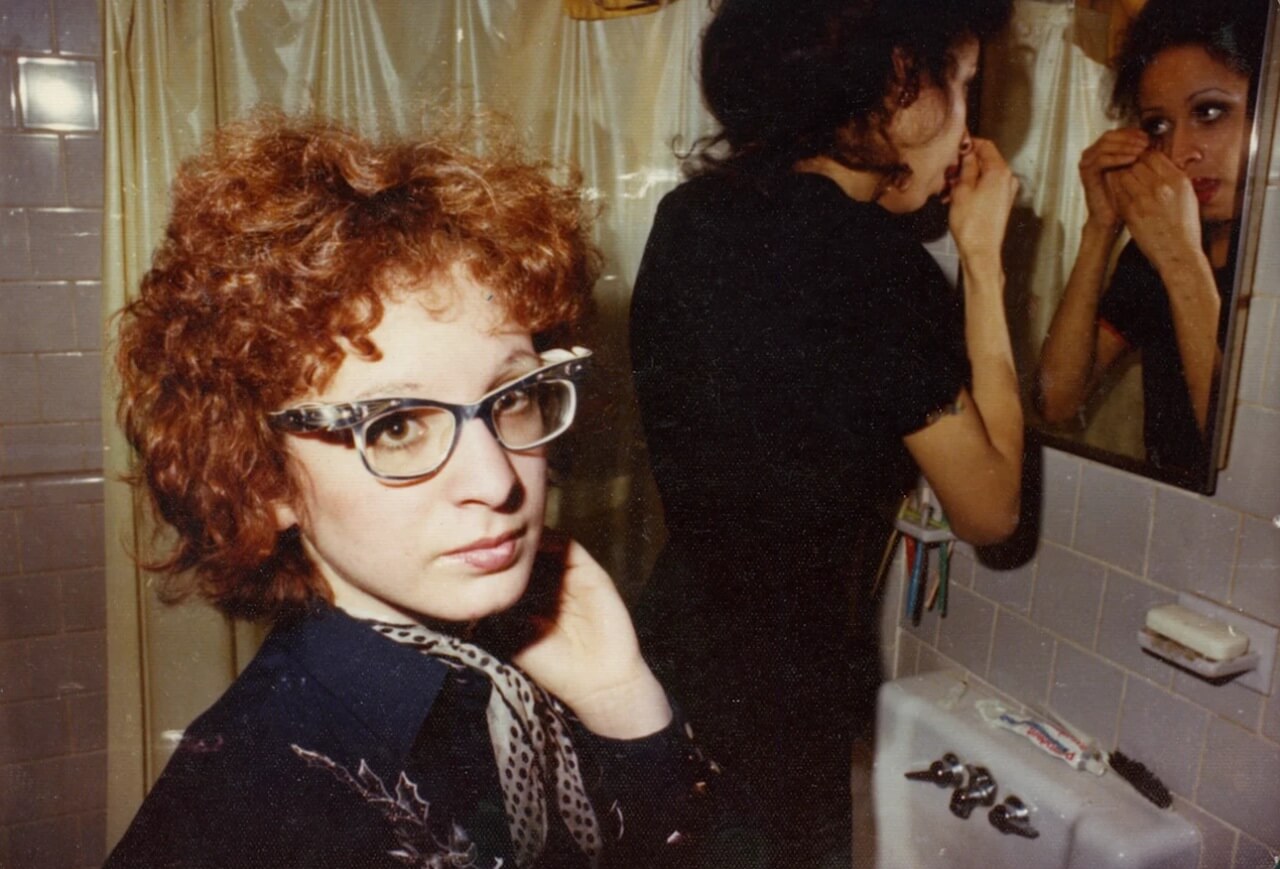
Laura Poitras’ 2022 documentary All the Beauty and the Bloodshed may not have won the Oscar for Best Documentary Feature, but its impact remains undeniable. The film chronicles the life and activism of photographer Nan Goldin, whose fight against the Sackler family and their role in the opioid crisis shook the art world and beyond.
A Protest That Made History
Goldin and her advocacy group P.A.I.N. (Prescription Addiction Intervention Now) staged a dramatic protest at the Guggenheim Museum. Members smuggled in banners, pill bottles, and thousands of fake prescription slips quoting Richard Sackler’s infamous line about a “blizzard of prescriptions.” As slips cascaded down the museum’s spiral, the protest visually captured the devastation wrought by OxyContin. The footage, included in Poitras’ documentary, became a haunting symbol of corporate greed and the human toll of addiction.
Nan Goldin’s Personal Battle
Goldin’s activism was deeply personal. Prescribed OxyContin after surgery, she quickly became addicted, escalating from three pills a day to 18. After a near-fatal overdose, she survived by sheer chance. Her story mirrors the struggles of countless Americans, with more than half a million lives lost to opioids.
Art as Resistance
The documentary doesn’t just expose the Sacklers’ negligence. It highlights how art and community can fuel resistance. Goldin’s photographs, particularly her groundbreaking series The Ballad of Sexual Dependency, are interwoven with her activism, showing how creativity and protest can coexist. By targeting museums that displayed her work, Goldin leveraged her influence to pressure institutions into rejecting Sackler donations. Within years, major museums including the Met, Guggenheim, and British Museum removed the Sackler name from their walls.
Why It Matters
Though All the Beauty and the Bloodshed didn’t win the Oscar, its legacy is profound. It demonstrates that activism, even at the grassroots level, can challenge powerful institutions. The film is a reminder that victories against systemic corruption are possible — and worth celebrating. Goldin’s story is not just about addiction or art. It’s about resilience, community, and the power of individuals to spark change.