James Cameron’s return to Pandora in “Avatar: Fire and Ash” once again showcases filmmaking on a scale few directors can match. The visuals are breathtaking, the 3D technology feels nearly tactile, and the world-building remains unparalleled. Yet beneath the surface beauty, the film struggles to deliver emotional depth or narrative freshness.
As with previous entries in the franchise, Fire and Ash prioritizes cinematic spectacle over storytelling. The result is a film that dazzles the eyes while leaving the heart largely untouched.
A Visual Experience Like No Other
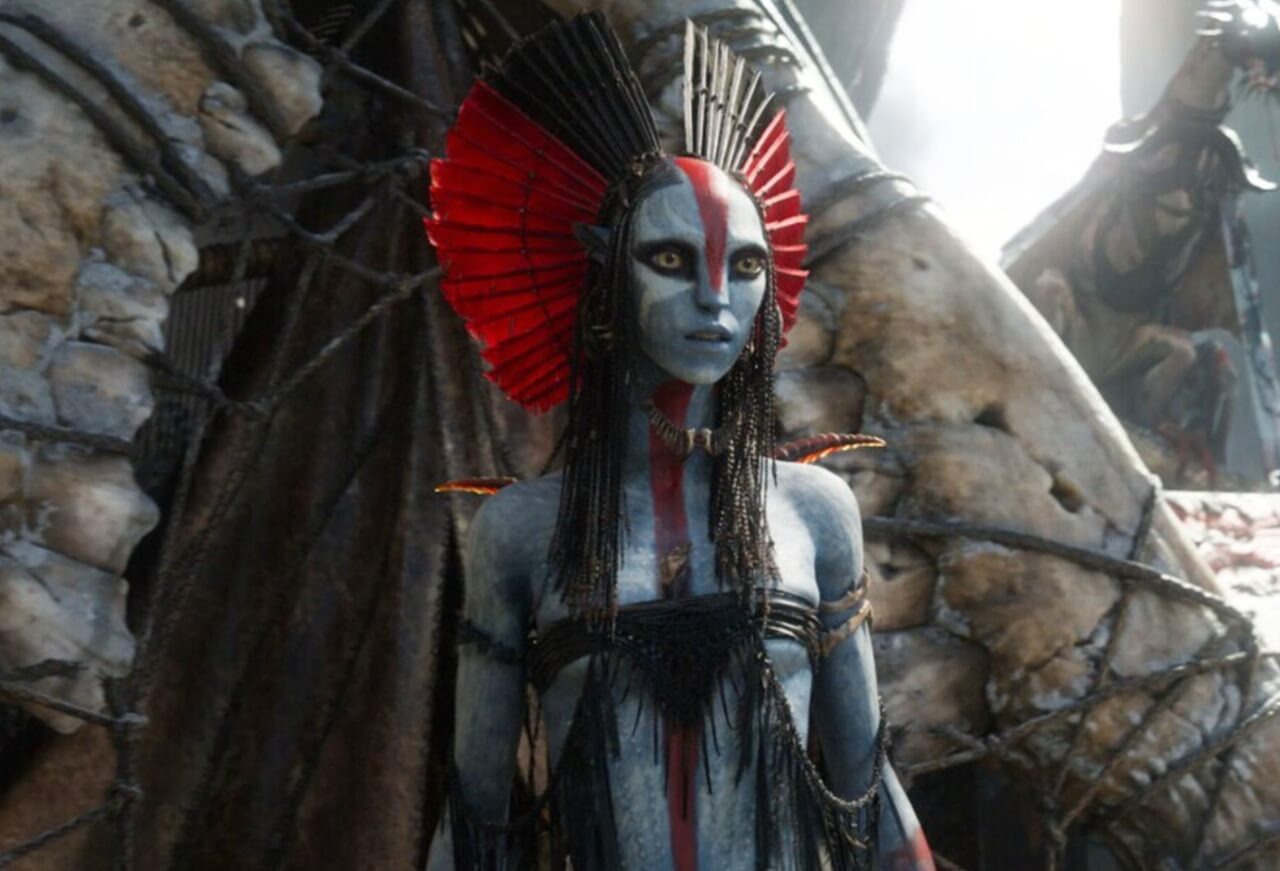
The film’s greatest achievement is its visual mastery. Cameron continues to push the boundaries of 3D filmmaking, creating images so vivid they feel physically present. From gently rippling water to glowing bioluminescent forests, Pandora is rendered with astonishing precision.
Every frame brims with detail. Flying creatures shimmer with pastel hues, fire-lit rituals unfold in shadow and flame, and massive action set pieces dominate the screen. The technical craft—spanning visual effects, costume design, and sound—sets a standard few blockbusters can approach.
For audiences seeking immersion, Fire and Ash delivers it in abundance.
Picking Up After “The Way of Water”
Set shortly after the events of “Avatar: The Way of Water,” the story follows Jake Sully (Sam Worthington) and Neytiri (Zoe Saldaña) as they continue to grieve the loss of their son. Their surviving family members struggle with guilt, faith, and loss, lending the opening act a somber tone.
However, these emotional threads rarely deepen. Saldaña, in particular, feels underused, despite Neytiri’s crisis of belief in Eywa, the Na’vi spiritual force that governs Pandora.
Old Conflicts, New Faces
The central conflict remains unchanged. Humans—referred to as the Sky People—continue their efforts to colonize Pandora after devastating Earth. Moral complexity is scarce, with human characters portrayed as largely one-dimensional in their pursuit of resources and power.
Stephen Lang returns as Colonel Miles Quaritch, now aligned with the Mangkwan clan, also known as the Ash People. This volcanic-dwelling Na’vi group rejects Eywa after losing their home to disaster. Their leader, Varang (Oona Chaplin), embraces destruction, providing Quaritch with a new ally and Pandora with another threat.
The idea is intriguing, but the execution feels familiar, echoing conflicts seen throughout the franchise.
Action Over Substance
Action sequences dominate much of the film’s nearly 195-minute runtime. The battles are intense, kinetic, and visually stunning, though the extended finale tests endurance. Dialogue often veers into the simplistic, undermining the emotional stakes and reinforcing the sense of narrative repetition.
At this stage, the Avatar series seems fully aware of what it offers: awe-inspiring visuals rather than nuanced storytelling.
Final Verdict
Avatar: Fire and Ash is a technical triumph and a narrative retread. Fans of the franchise will likely be satisfied, especially when viewing the film in 3D on the largest screen possible. For others, the experience may feel hollow once the spectacle fades.
Pandora remains a marvel to behold—but after three films, it still struggles to tell a story as rich as its imagery.