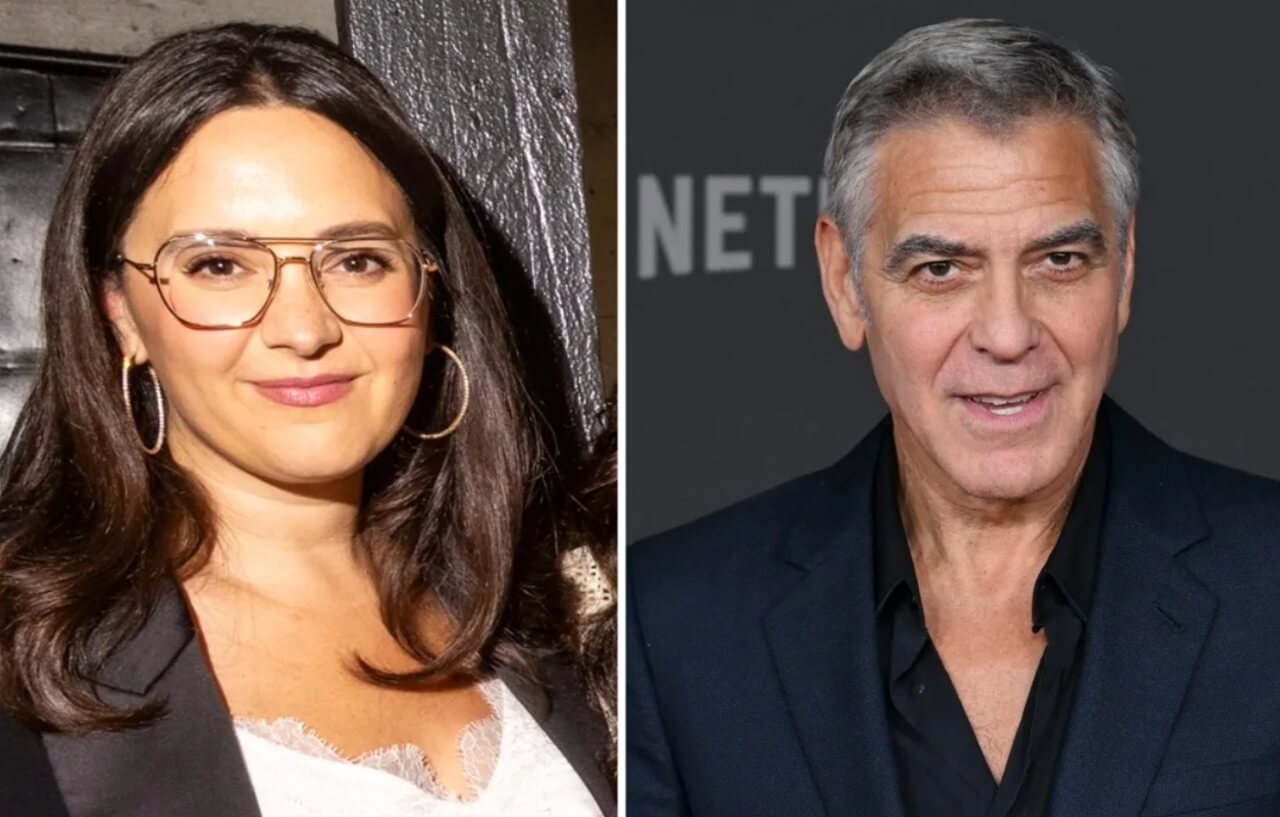
A public exchange between Bari Weiss and George Clooney has drawn attention to broader debates about journalistic independence and media accountability. The exchange followed Clooney’s recent interview with Variety, in which the Oscar-winning actor accused CBS News of straying from its journalistic principles. Clooney suggested the network was compromising its standards, claiming Weiss was “dismantling CBS News as we speak.”
Weiss Responds With an Invitation
Weiss, who serves as CBS News’ network editor-in-chief, responded later the same day with a statement shared via Paramount Skydance. In it, she invited Clooney to visit the newsroom to see the network’s operations firsthand.
“Bonjour, Mr. Clooney! Big fan of your work,” Weiss said in the statement. “It sounds like you’d like to learn more about ours. This is an open invitation to visit the CBS Broadcast Center.”
Weiss added that she and her colleagues are currently preparing to relaunch the CBS Evening News in the new year, signaling a period of transition for the network.
Context Behind the Dispute
Clooney’s comments came amid scrutiny surrounding CBS News’ recent editorial decisions, including the delay of a 60 Minutes segment focused on a controversial prison in El Salvador. While Clooney did not directly reference the delayed report in his interview, he criticized the network for settling a defamation lawsuit brought by Donald Trump rather than contesting it in court. The actor argued that major news organizations have a responsibility to challenge those in power, even when doing so carries legal or financial risk.
A Career Tied to Journalism Themes
Clooney’s comments carry added weight due to his long-standing interest in journalism and media ethics. He recently portrayed legendary CBS journalist Edward R. Murrow in the Broadway adaptation of Good Night, and Good Luck, a project centered on press freedom and accountability. Observers note that Clooney’s criticism reflects concerns shared by some journalists and media scholars about the pressures facing newsrooms amid political polarization and corporate ownership.
A Symbolic Gesture
Weiss’s invitation was widely interpreted as both a rebuttal and an attempt to redirect the conversation toward transparency. By inviting Clooney into the newsroom, she positioned the response as an opportunity for dialogue rather than escalation. The light-hearted “bonjour” greeting appeared to reference recent reports that Clooney and his family had been granted French citizenship, adding a playful note to an otherwise serious exchange.
What Comes Next
It remains unclear whether Clooney will accept the invitation. Neither he nor his representatives have publicly responded since Weiss’s statement. For now, the exchange highlights the ongoing tension between public figures and media institutions — and the challenges facing legacy news organizations as they navigate criticism, reform and public trust in a rapidly evolving media landscape.