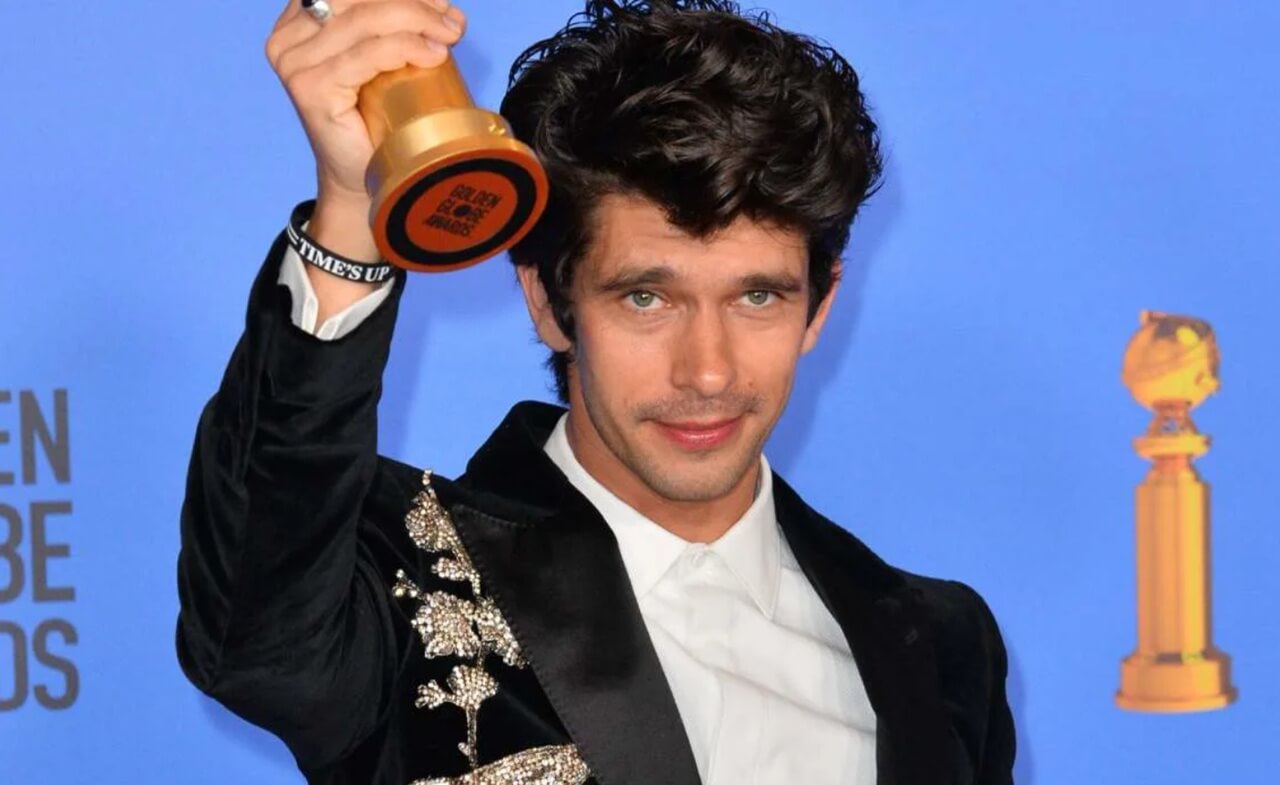
British actor Ben Whishaw has opened up about the lingering challenges LGBTQ+ performers face in mainstream entertainment, arguing that queer visibility in Hollywood still comes with expectations shaped by heterosexual ideals. Speaking with The Guardian during the promotion of his upcoming film Peter Hujar’s Day, the Skyfall and Passages star reflected on the industry’s often unspoken rules around image, desirability and identity.
Pressure to conform still exists
Whishaw acknowledged recent progress for queer performers but believes success remains tied to how actors are perceived by majority audiences.
“If you want to be really successful, you have to conform to what is deemed to be heterosexual taste,” Whishaw said. “Or be sexy in a heterosexual way. I’m always amazed by how much sex is underneath everything — desire, expectation. There’s still a lot of homophobia and hatred.”
He added that decisions about whether to come out publicly remain complicated and deeply personal. “Who knows what journey people are on? I don’t blame people for being private,” he said.
Navigating his own coming out
Whishaw has spoken candidly in the past about the tension between personal privacy and public expectations. Early in his career, he resisted discussing his sexuality publicly, telling Out magazine in 2011 that actors should retain “mystery,” regardless of who they love. He later shared his coming-out experience in a 2014 interview, explaining that conversations with his family were unexpectedly smooth. “Everyone was surprisingly lovely,” he recalled. Though Whishaw has since been celebrated as one of Hollywood’s most respected openly gay actors, he maintains that media scrutiny and narrow expectations continue to shape how queerness is portrayed — and accepted — in mainstream roles.
New role revisits queer history
Whishaw’s latest project, Peter Hujar’s Day, revisits the life and influence of the iconic New York photographer. Directed by Passages filmmaker Ira Sachs, the film explores artistic legacy, queer community, and cultural change across the 1970s. The actor said he was drawn to the project because it honors voices who helped shape queer art despite restrictive social norms. While Hollywood has evolved since Hujar’s time, Whishaw suggested that structural pressures still limit how freely queer identity can be expressed on-screen and off.
A conversation still unfolding
Whishaw’s comments arrive amid broader industry debates about representation, casting, authenticity and creative freedom. Many actors and advocates continue calling for stronger inclusion and opportunities that allow LGBTQ+ performers to play complex characters without masking their identities. For Whishaw, the question is not whether queer actors belong in Hollywood, but how the industry measures desirability and success. He insists candid dialogue is needed to push norms forward.