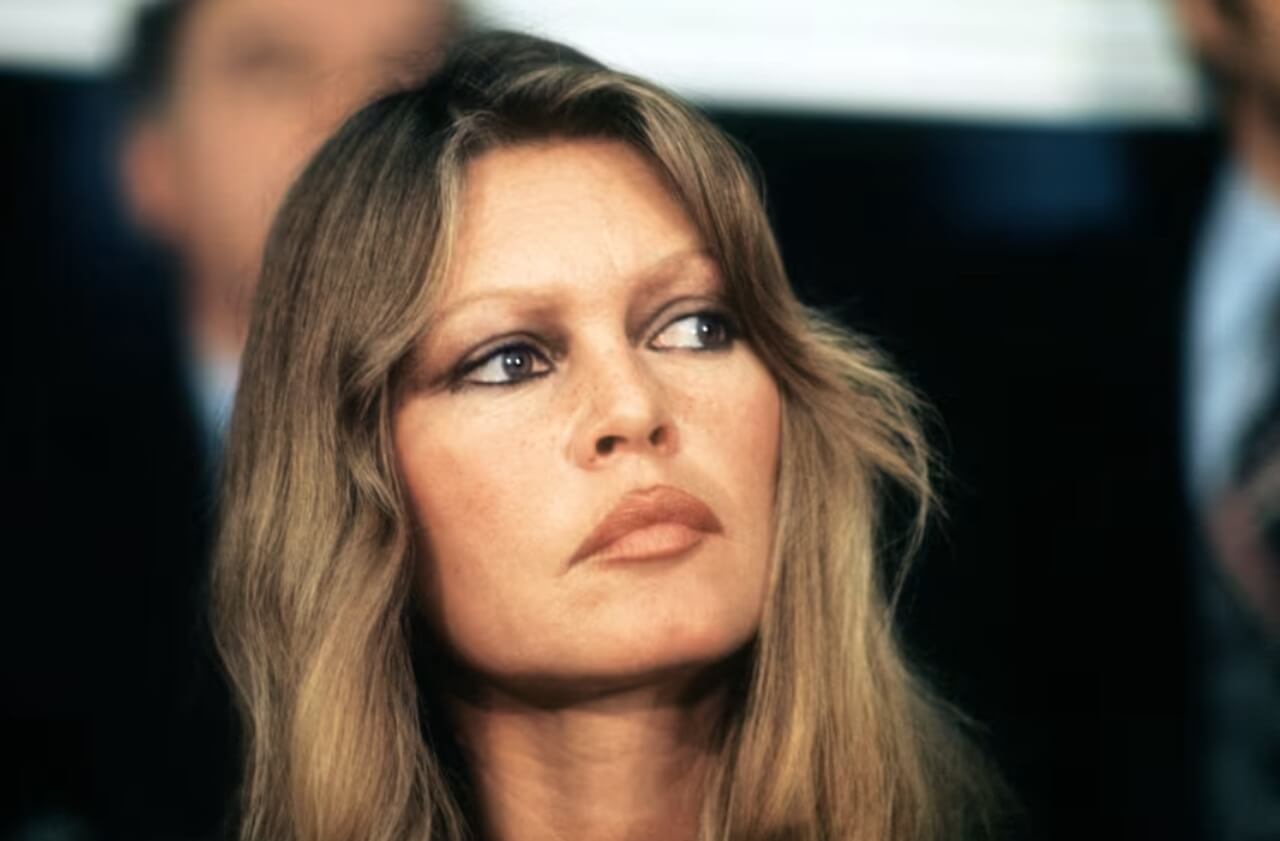
Brigitte Bardot, the French screen star who became a global symbol of sexual liberation before dedicating much of her later life to animal welfare, has died at the age of 91. Her death was confirmed on Sunday by the Brigitte Bardot Foundation, which remembered her as a “world-renowned actress” who chose to step away from cinema to focus her energy on protecting animals. Tributes poured in from across France following the announcement. President Emmanuel Macron said the country was mourning “a legend of the century,” acknowledging Bardot’s profound influence on French culture and cinema.
A Star Who Redefined French Cinema
Born in Paris in 1934, Bardot rose to international fame in the 1950s and 1960s, becoming one of Europe’s most recognizable film stars. She appeared in dozens of films during her career, but it was And God Created Woman that cemented her status as a cultural phenomenon.
Her screen persona—bold, sensual, and unapologetically modern—challenged conservative norms of the era. Bardot quickly became synonymous with a new image of womanhood, influencing fashion, popular culture, and attitudes toward female autonomy both in France and abroad. Throughout her acting career, she worked with leading directors and actors of the time, helping French cinema gain greater international visibility. At the height of her fame, Bardot was one of the most photographed women in the world.
Turning Away From the Spotlight
In the early 1970s, Bardot made the unexpected decision to retire from acting while still a major star. She later said the pressures of fame and the realities of the film industry contributed to her choice to leave cinema behind.
After stepping away from the screen, Bardot devoted herself almost entirely to animal rights activism. She founded the Brigitte Bardot Foundation in 1986, which has since worked internationally to combat animal cruelty, support shelters, and advocate for stronger animal protection laws. Her activism earned praise from supporters worldwide and reshaped her public image from film icon to outspoken campaigner.
A Controversial Public Figure
Bardot’s later years were also marked by controversy. She was repeatedly fined by French courts for remarks deemed to incite racial hatred and was criticized for making homophobic and inflammatory statements. These incidents complicated her legacy and sparked ongoing debates in France about separating an artist’s cultural impact from their personal views. Cultural commentators have long described Bardot as a figure of contradictions—celebrated for her artistic influence and activism, yet criticized for comments that clashed sharply with modern values.
A Legacy That Will Be Debated
As news of her death spreads, France is reflecting on Bardot’s place in history. She remains one of the most influential figures in postwar French popular culture, a woman who reshaped cinema, challenged social conventions, and later devoted herself to a cause she believed in passionately. Brigitte Bardot leaves behind a body of work and a public life that will continue to be discussed, reassessed, and debated for generations to come.