Makoto Nagahisa’s latest film Burn premiered at the 2026 Sundance Film Festival, delivering a haunting portrait of Tokyo’s marginalized youth. Set in Shinjuku’s entertainment district, the film focuses on the so-called “Tōyoko kids,” displaced young people living on the fringes of society.
A Director Known for Bold Style
Nagahisa, a Sundance veteran, first gained recognition with his short And So We Put Goldfish in the Pool (2017), which won the festival’s Short Film Grand Jury Prize. His debut feature We Are Little Zombies (2019) showcased his kaleidoscopic style and concern for children’s well-being. With Burn, he expands his lens to the troubled lives of Shinjuku’s street kids, blending social critique with visual experimentation.
Jurie’s Escape Into Shinjuku
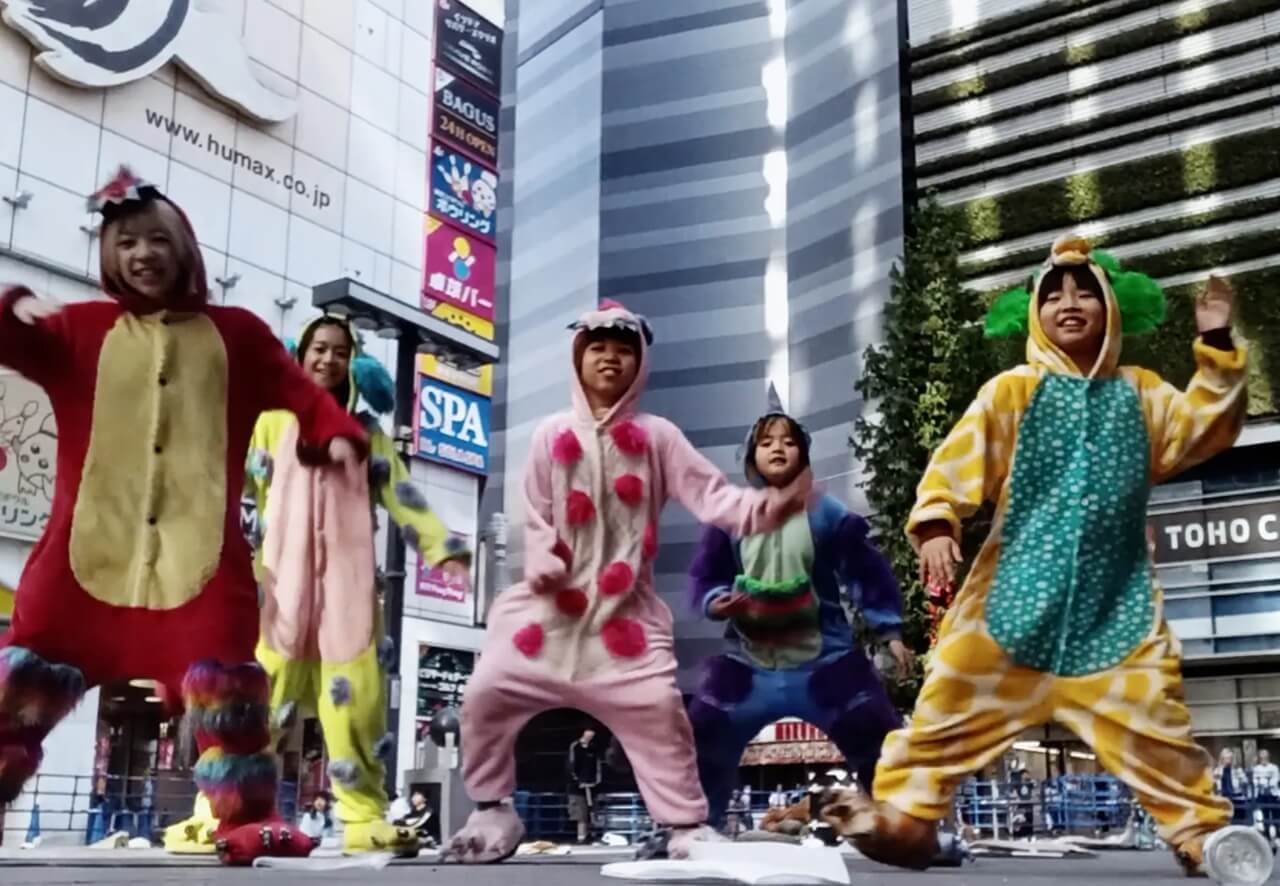
The story follows Jurie (Nana Mori), a young girl fleeing her abusive home. After contacting a social media account called “KAMI,” she enters the chaotic world of Tōyoko Square. There, she meets a group of misfit kids: Wris, a self-harmer; Ora, a compulsive teeth-brusher; Haku, Kokoro, A-Q, and the “Animal Gals.” Together, they form a fragile community under the guidance of Kami, a seemingly kind man who offers shelter and reassurance. Nagahisa and cinematographer Hiroaki Takeda capture Jurie’s trauma through frames within frames — doorways, mirrors, and phone-like rectangles — emphasizing isolation and the spectator’s helplessness. The film’s visual language makes suffering feel both intimate and distant.
A City of Contradictions
Shinjuku is depicted as both home and hell. Comforts are paired with corruption: rest comes with drugs, friendship with prostitution. Jurie befriends Mitsuba (Aoi Yamada), a disabled teen who introduces her to sex work as a means of survival. Determined to raise 10 million yen to save her sister, Jurie’s journey echoes Hideaki Anno and Ryū Murakami’s Love and Pop, updated for the 2020s. Composer Rico Iwai (LAUSBUB) adds to the unsettling atmosphere with an electronic score that pulses beneath the skin, amplifying the film’s sense of instability and rootlessness.
Bleak but Stylistically Bold
While the first half of Burn builds a rich tapestry of lived-in characters, the latter half leans heavily into grim trauma tropes. Scenes of sexual exploitation and violence, including one involving a sex toy, are deeply troubling. Critics argue that such depictions risk perpetuating harmful narratives, especially when centered on young women in films directed by men. Despite these concerns, Nagahisa’s stylistic daring remains undeniable. His blending of digital aesthetics with raw realism creates unforgettable imagery. The titular “burning it all down” resonates as both metaphor and spectacle, leaving viewers shaken.
Final Verdict
Burn is oppressively nihilistic yet formally exhilarating. It frustrates with its reliance on bleak tropes but impresses with its visual innovation. Nagahisa continues to push boundaries, positioning himself alongside bold contemporary filmmakers like Jane Schoenbrun and Caroline Poggi.