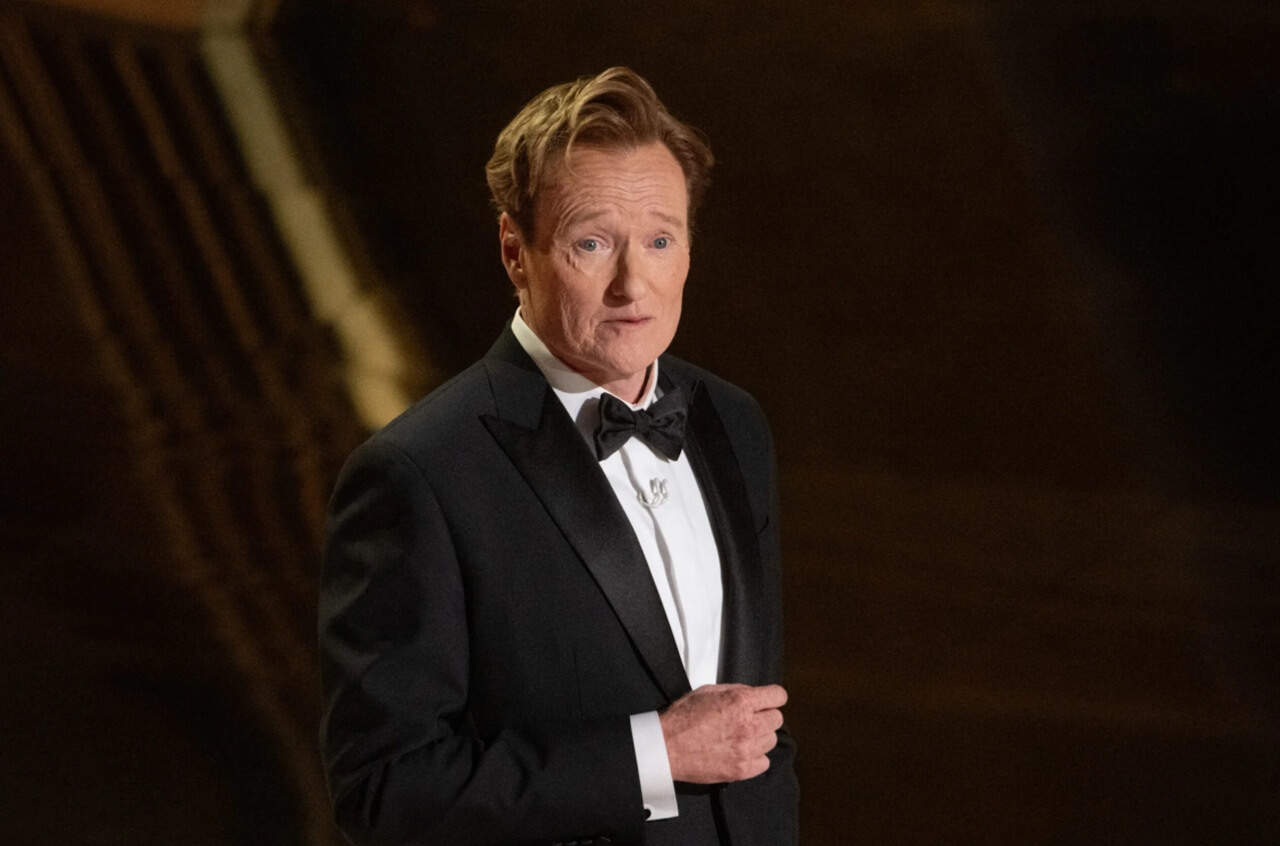
Conan O’Brien admits he realized late-night television was “in trouble” after his legendary appearance on Hot Ones. The comedian, 62, spoke with The Hollywood Reporter ahead of hosting the 98th Academy Awards, reflecting on how the viral web show shifted his perspective on the future of late-night comedy.
The Power of Digital Platforms
O’Brien’s 2024 Hot Ones episode became an instant classic. He not only ate all the wings presented but also sipped directly from bottles of the hottest sauces, pushing himself to near delirium for comedic effect. The episode went viral, drawing massive viewership numbers.
“That was the moment the scales fell from my eyes,” O’Brien said. “If a guy can do World Series numbers with overhead that looked, to me, to be about $600, and you have every big star lining up to do his show… that’s when I profoundly understood that late-night shows are in trouble.”
Industry Shifts
O’Brien noted that online shows like Hot Ones and Chicken Shop Date have proven that audiences are flocking to digital-first formats. He believes traditional late-night programs are fading and will eventually evolve into something new.
“I’m of the mind that yes, these shows are going away and will become something else,” he explained. “But I don’t like when other malign forces intervene, because they’re trying to curry favor. That pisses me off.”
Though he didn’t name names, O’Brien’s comments seemed to reference government and corporate pressures affecting fellow hosts like Stephen Colbert and Jimmy Kimmel, whose shows have faced cancellations and temporary suspensions.
Reinventing Himself
O’Brien has already pivoted beyond late-night. Since ending Conan in 2021, he has built a successful podcast, a thriving YouTube presence, and an Emmy-winning travel series on HBO Max. His ability to adapt underscores how comedians are finding new ways to connect with audiences outside traditional television.
Looking Ahead
As O’Brien prepares to host the Oscars once again, his reflections highlight the changing landscape of comedy and entertainment. Viral web shows and digital platforms are reshaping how audiences consume content, leaving late-night hosts to either evolve or risk irrelevance.