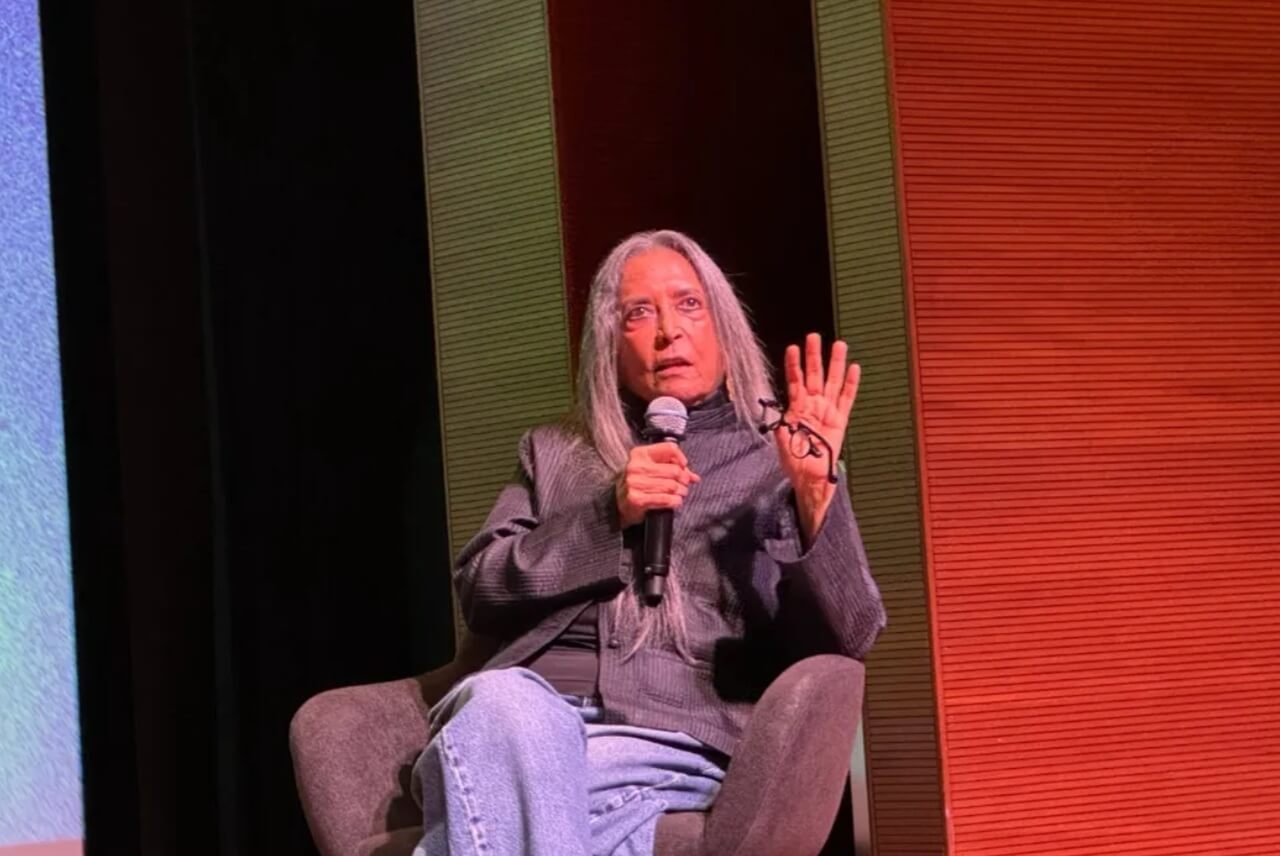
Acclaimed filmmaker Deepa Mehta looked back on her decades-spanning career, the intense backlash surrounding her landmark film Water, and her ongoing commitment to independent storytelling during a featured conversation at the Singapore International Film Festival on Friday. Mehta is being honored with a lifetime achievement award, following a year of retrospectives celebrating her impact on global cinema. Speaking with longtime collaborator Hussain Amarshi, president of Mongrel Media, Mehta shared candid insights into her creative philosophy, personal evolution, and the political and emotional storms that have shaped her filmmaking journey.
Staying True to Independence
Mehta discussed her early years in Canada and her 1991 debut feature Sam & Me, which explored immigrant identity and screened at Cannes. That success opened major industry doors, including work on The Young Indiana Jones Chronicles for George Lucas. Despite offers from Hollywood, Mehta chose creative autonomy — a decision encouraged by Martin Scorsese, who advised her: “Don’t ever get tempted. Do your own stuff.”
The ‘Fire’ and ‘Water’ Backlash
Mehta reflected on the explosive controversy surrounding her groundbreaking trilogy film Fire (1996), which depicted a same-sex relationship between two women. She said she never anticipated the violent protests that followed.
The backlash escalated dramatically during the shooting of Water in 2000, which examined the lives of widows in 1930s India. On the second day of production in Varanasi, protest groups destroyed sets, burned effigies, and issued death threats, forcing a shutdown.
The experience left a deep emotional impact.
“For the first time, I felt maybe I’m going home,” Mehta recalled of her flight back to Toronto. Years later, she rebuilt the project in Sri Lanka. Water went on to open the 2005 Toronto International Film Festival, become Canada’s Oscar submission, and receive an Academy Award nomination for Best Foreign Language Film.
Her Approach to Craft
Mehta said that every script she has written has ultimately been produced, crediting her intensive workshopping process rooted in the Natya Shastra tradition.
“When you see the various ways it can be enacted, you understand what works,” she said.
New Project: ‘Forgiveness’
Mehta is now working on Forgiveness, based on Mark Sakamoto’s nonfiction book examining the intertwined histories of Japanese-Canadian internment survivors and Canadian POWs during World War II. She described the film as an examination of “why forgiveness is so difficult.”
On Politics, Identity and Labels
Mehta expressed concern over growing political pressures in filmmaking across North America and India.
“We are compromised before we start,” she said, emphasizing the need for small, independent films and creative courage.