Key Points
- Elon Musk announced at the World Economic Forum that Tesla’s Optimus humanoid robots could be available to the public by 2027.
- Around 1,200 Optimus units are already deployed at Tesla’s Giga Texas facility for logistics and assembly tasks.
- Musk envisions the robots as a solution to global labor shortages, particularly in elder care and household management.
- Production challenges remain, with Musk describing the rollout as an “agonizingly slow” process due to new components.
- He predicts robots will eventually outnumber humans, driving an “explosion in the global economy.”
Musk’s Bold Vision at Davos
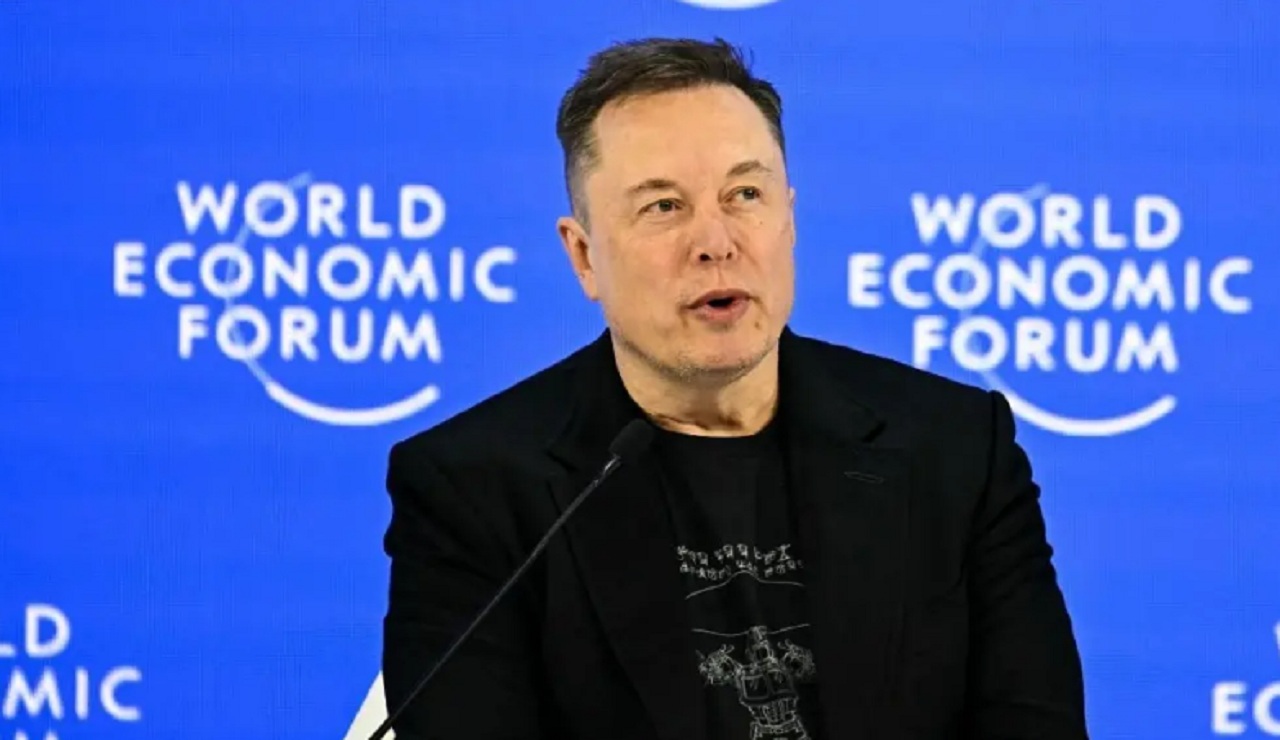
Tesla CEO Elon Musk used his appearance at the World Economic Forum in Davos, Switzerland to outline a transformative future for labor. Speaking with BlackRock CEO Larry Fink on January 22, Musk revealed that Tesla aims to make its Optimus humanoid robots available for public sale by the end of 2027.
The announcement marks a major milestone for the project, which Musk believes could become Tesla’s most valuable product.
Optimus at Work Today
Musk disclosed that Tesla has already deployed approximately 1,200 Optimus units at its Giga Texas facility, where they currently perform basic logistics and assembly tasks. By the end of this year, he expects the robots to handle more complex industrial maneuvers, signaling rapid progress in their capabilities.
Public Release Timeline
The most striking update was Musk’s projection that Optimus could be ready for consumers by 2027, once the technology achieves “very high reliability and safety.” He framed the robots as a potential solution to pressing global labor shortages, particularly in sectors such as elder care and household management.
“By the end of next year, I think we’ll be selling humanoid robots to the public,” Musk said during the panel. “That’s when we’re confident that it’s very high reliability, very high safety, and the range of functionality is also very high. You can basically ask it to do anything you’d like.”
Challenges Ahead
Despite his optimism, Musk acknowledged the difficulties of scaling production. He described the rollout as following an “S-curve,” noting that nearly every component in Optimus is newly designed. This makes mass production a significant engineering hurdle.
A Future of Robots and Abundance
Looking further ahead, Musk predicted a world where robots could eventually outnumber humans, driving what he called an “explosion in the global economy.” He suggested that widespread adoption of humanoid robots could lead to unprecedented abundance, meeting human needs on a scale never before seen.
What Happens Next?
Tesla’s immediate focus will be on refining Optimus for more advanced industrial tasks before preparing for consumer release. If Musk’s timeline holds, the next two years will be critical in determining whether humanoid robots can transition from factory floors to everyday households.