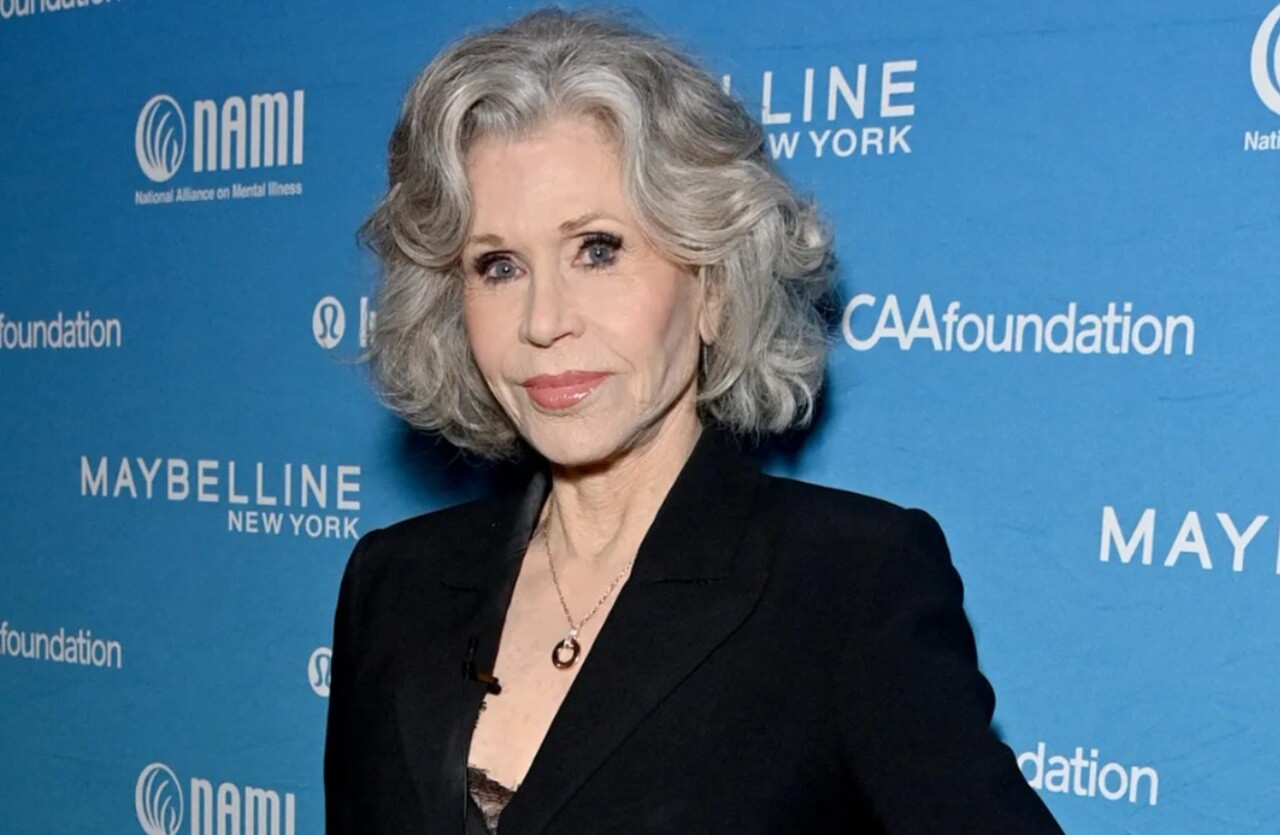
Academy Award-winning actress and activist Jane Fonda has issued a forceful public condemnation of the proposed $82 billion merger between Netflix and Warner Bros., calling the deal a dangerous threat to the entertainment industry, freedom of expression, and democratic accountability.
Fonda posted her statement on Instagram on Friday, shortly after the merger was announced. She released the message jointly with the advocacy organization Committee for the First Amendment, urging regulatory agencies to take immediate action to halt the agreement.
Fonda Calls Deal a “Constitutional Crisis”
In the post, Fonda characterized the merger as an unprecedented concentration of power that could silence creative voices and limit industry competition.
She warned that merging two of the most influential entertainment giants could give a single corporation outsized control over film distribution, television programming, and streaming access.
Fonda directly appealed to the U.S. Department of Justice, demanding that regulators enforce antitrust protections rather than, in her words, using oversight as a “political bargaining chip.” She insisted that government officials must resist pressure from corporate lobbyists and prioritize public interest.
The actress also criticized Netflix and other major media companies for prioritizing financial advantage over artistic freedom. She argued that creative rights must not be “traded away for profit.”
Industry Faces Historic Transformation
The proposed deal would unite Netflix—already the world’s largest streaming platform—with Warner Bros., one of Hollywood’s oldest and most influential studios. It would also bring HBO and the Max streaming platform under Netflix’s control, creating the most expansive entertainment library in history.
Netflix co-CEO Ted Sarandos has publicly praised the deal, saying that combining the two content empires could help shape the “next century of global storytelling.” The company has stated that Warner Bros. films will continue to receive theatrical releases.
However, analysts warn that such consolidation could significantly reduce competition and impact independent creators, smaller studios, and consumer pricing. Critics fear that fewer corporate gatekeepers will limit diverse narratives and create a system where only high-budget franchises can compete for attention.
Regulatory Battle Ahead
The merger requires approval from federal regulators who are expected to apply heavy antitrust scrutiny. The process could take months or longer if legal challenges emerge. Industry observers say that mounting public opposition—including statements from high-profile figures like Fonda—could influence the outcome.
The DOJ has not released a formal response, but officials have repeatedly signaled a stricter approach to media consolidation in recent years.
The next phase will include regulatory review, possible congressional pressure, and potential counter-offers from competing companies.
The merger, if approved, would redefine Hollywood business dynamics, reshape the streaming wars, and set the tone for future consolidation across entertainment and technology.