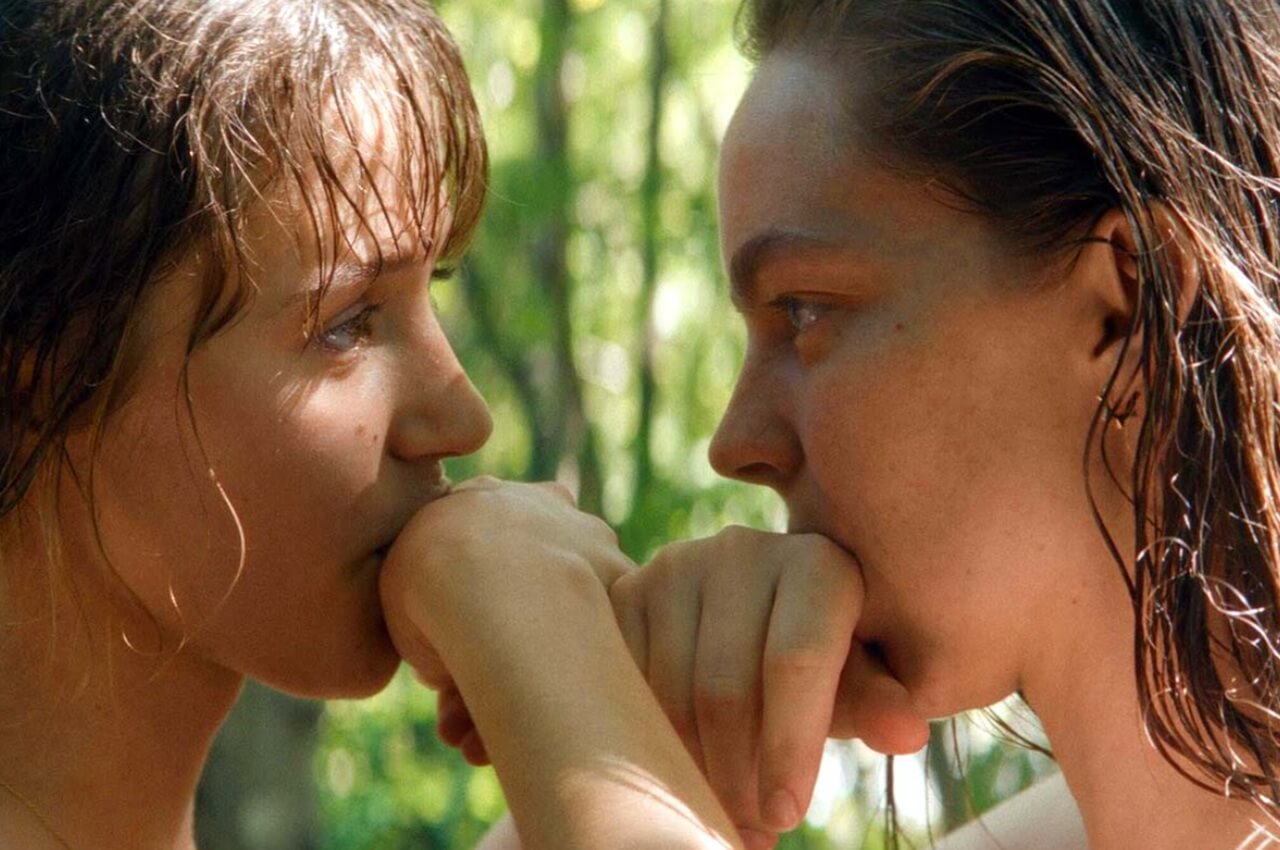
Slovenia’s official submission for the 2026 Oscars in the Best International Feature Film category, Little Trouble Girls, continues to attract global attention after its acclaimed world premiere at the Berlin Film Festival. The coming-of-age drama marks the feature directorial debut of Urška Djukić, whose raw and sensory approach has resonated with audiences and critics alike. The film is also nominated for the European Discovery Award at the European Film Awards, a recognition for emerging filmmakers.
The film centers on Lucia, a quiet 16-year-old who joins an all-girls Catholic school choir and forms an intense bond with the popular, charismatic Ana-Maria. During a rehearsal trip to the countryside, Lucia develops an unexpected attraction to a restoration worker — a shift that ignites emotional conflict, tension, and rebellion. The story explores complex themes of sexual awakening, desire, friendship, religion, and identity, set against a deeply conservative environment.
A Film Rooted in Sensory Storytelling
Djukić revealed that the inspiration for the film emerged from witnessing a Catholic girls’ choir performing in front of priests, a moment that highlighted the clash between suppressed female voices and patriarchal tradition. She described wanting to craft a cinematic experience that communicates through touch, sound, and physical sensation, not just visual language.
Throughout the film, natural motifs—plants, water, flowers, and abstract soundscapes—play a key role in expressing internal transformation. Djukić relied heavily on intuition during filming and editing, often incorporating spontaneous ideas formed on location, including experimental voice recordings and unscripted imagery.
Themes of Shame, Identity, and Generational Cycles
Although Djukić was not raised in a religious household, she emphasized that patriarchal expectations persist far beyond religion itself. She connects the film to broader global conversations about women’s autonomy, social pressure, and the long-lasting emotional burden passed through generations, which she previously explored in her award-winning short Granny’s Sexual Life.
The director said the film confronts feelings of guilt and shame young women internalize, shaped by centuries of silence around female sexuality and independence — themes that resonate strongly in today’s climate where women’s rights continue to face renewed challenges worldwide.
Casting and Future Work
The film stars Jara Sofija Ostan, a first-time actor discovered at age 16. Djukić worked with her for nearly a year to develop performance rooted in physical and emotional awareness. The actress’ real-life transition paralleled her character’s journey from adolescence to womanhood.
Looking ahead, Djukić is already preparing a new feature set in a male Carthusian monastery in the 14th century, based on a historical witch trial and a story of forbidden love. This time, she plans to reclaim a narrative historically presented through a male lens and re-tell it with a female-centered perspective.
With its bold artistic voice and timely feminist themes, Little Trouble Girls is positioned as a powerful contender for awards season, reflecting Slovenia’s growing presence in global cinema.