Key Points
- Mattel has unveiled a new autistic Barbie doll designed with sensory-friendly clothing and subtle behavioral details.
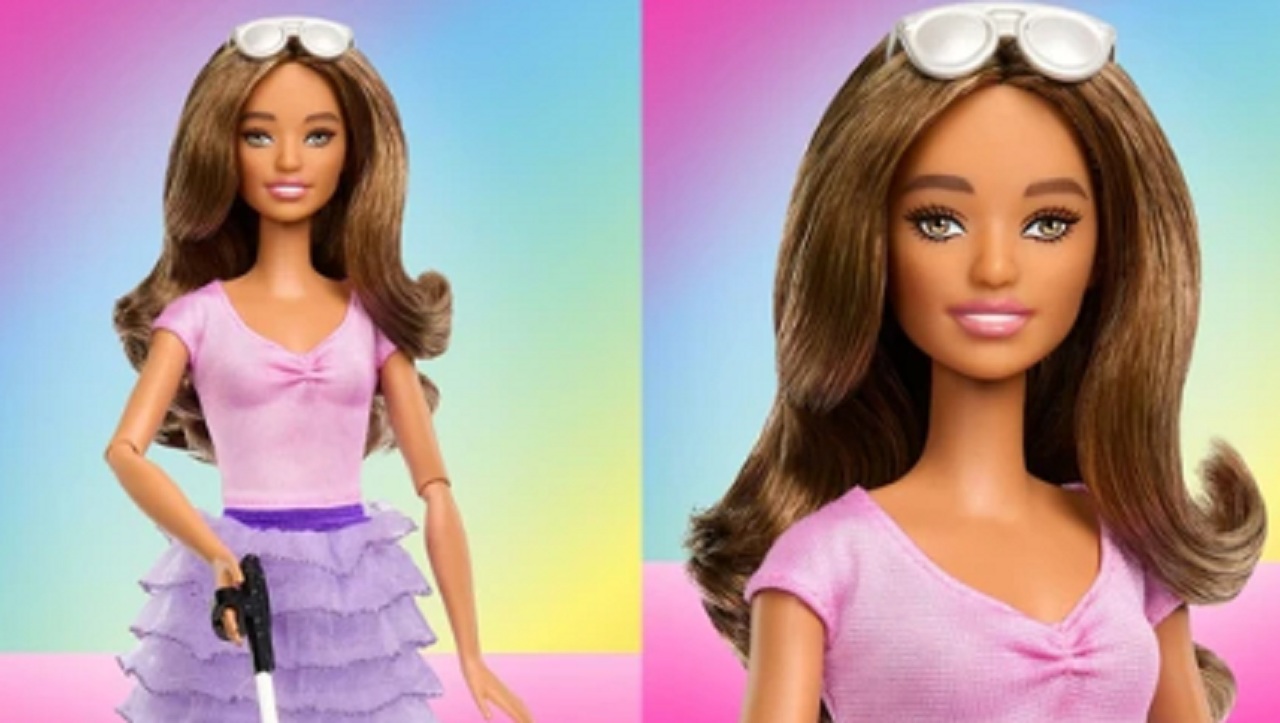
- The doll wears short-sleeved, loose-fitting outfits to reduce fabric-to-skin discomfort.
- Its eye gaze is slightly averted, reflecting how some autistic individuals may avoid direct eye contact.
- The release is part of Mattel’s ongoing effort to expand representation and inclusivity in the Barbie brand.
- The doll aims to encourage understanding, empathy, and acceptance among children and families.
A New Step Toward Representation
Mattel has taken another step in broadening the scope of its iconic Barbie line with the introduction of an autistic Barbie doll. The design reflects thoughtful consideration of sensory sensitivities and social behaviors often experienced by autistic individuals.
Design Details That Matter
The doll is dressed in short-sleeved, loose clothing, minimizing fabric-to-skin contact that can sometimes cause discomfort. Its eye gaze is slightly to the side, symbolizing how some autistic people may avoid direct eye contact. These subtle but meaningful features are intended to foster awareness and empathy in young audiences.
Context: Why Inclusivity in Toys Is Important
Representation in toys has become a growing priority for parents, educators, and advocacy groups. By creating dolls that reflect diverse experiences, Mattel aims to help children better understand differences and build compassion. The autistic Barbie joins a lineup that already includes dolls with disabilities, different body types, and varied cultural backgrounds.
What Happens Next?
The autistic Barbie is expected to spark conversations among families and educators about neurodiversity. As Mattel continues to expand its inclusive offerings, the company hopes the doll will serve as both a play companion and a tool for teaching acceptance.