
Key Points
- Matthew McConaughey has secured eight U.S. trademarks covering his likeness, poses, and voice.
- The move aims to prevent unauthorized AI-generated content and commercial exploitation.
- Trademarks include iconic imagery and his famous phrase, “All right, all right, all right.”
- Legal experts say trademarks strengthen enforcement against misuse in advertising and media.
- McConaughey joins other public figures, like Jeremy Clarkson, in taking steps against AI exploitation.
Actor Moves to Safeguard His Persona
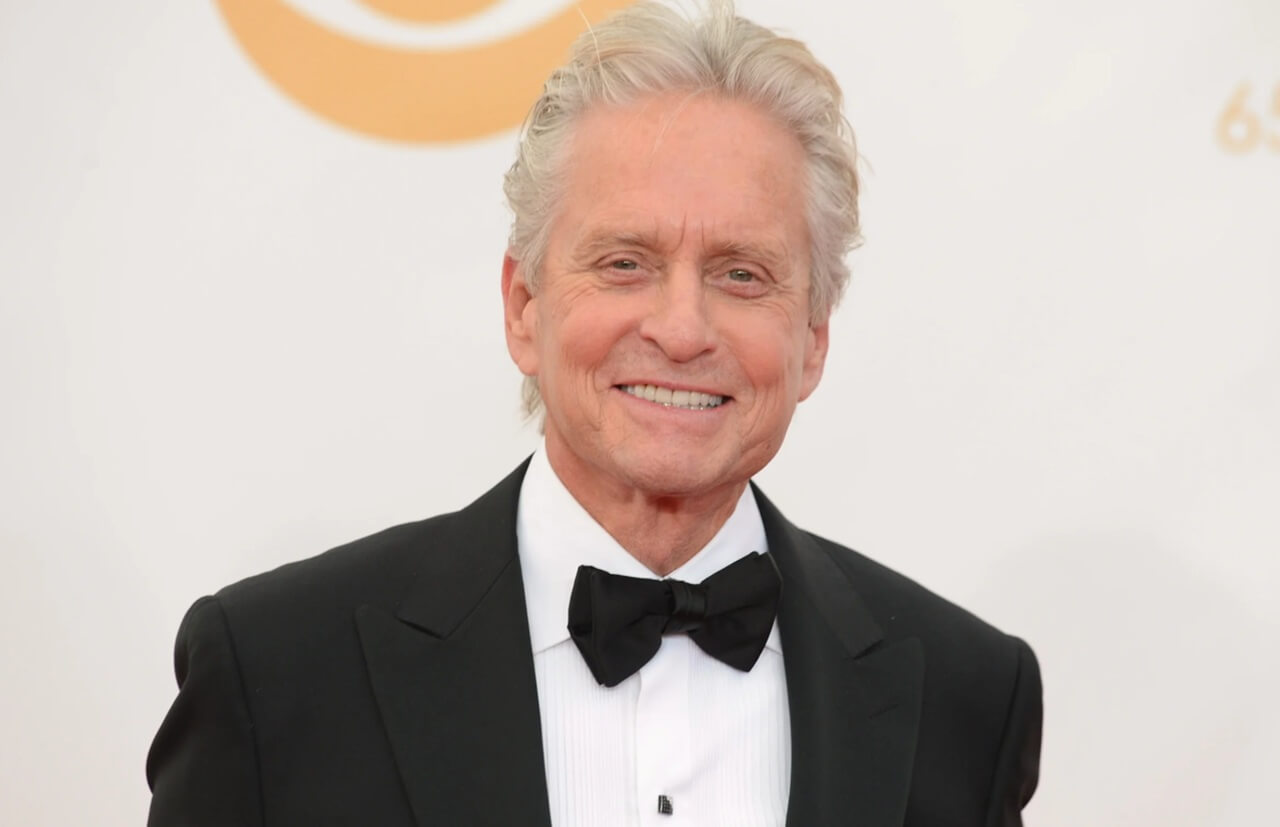
Matthew McConaughey, the Oscar-winning actor known for True Detective, Interstellar, and How to Lose a Guy in 10 Days, has taken decisive legal action to protect his identity in the digital era. The actor recently filed for eight American trademarks designed to shield his likeness and voice from unauthorized use, particularly in the growing field of artificial intelligence.
What the Trademarks Cover
The filings encompass specific images of McConaughey, including one of him standing on a porch and another seated in front of a Christmas tree. They also protect his signature catchphrase, “All right, all right, all right,” immortalized in Richard Linklater’s Dazed and Confused.
By securing these trademarks, McConaughey aims to block advertisers, merchandise creators, or AI platforms from replicating his persona for profit without consent.
Legal and Ethical Concerns
Jonathan Pollack, McConaughey’s attorney, emphasized the importance of proactive measures in an era where AI misuse is escalating. “We have a tool now to stop someone in their tracks or take them to federal court,” Pollack said, underscoring the urgency of protecting celebrity likenesses.
AI ethics expert Catherine Flick of Staffordshire University noted that actors and public figures are increasingly anxious about how AI systems train on massive datasets, often without permission. Trademark law, she explained, offers a way to reclaim control over personal representation.
Industry Context
Intellectual property lawyer Katie Warner confirmed that trademarks streamline enforcement, giving McConaughey stronger grounds to challenge unauthorized use. Similar steps have been taken by other celebrities, including British TV personality Jeremy Clarkson, who filed protections after deepfake scams used his image to promote fraudulent crypto schemes.
While McConaughey is unlikely to pursue litigation against major tech companies like OpenAI or Google due to the complexity and cost of such cases, his actions highlight a growing trend among entertainers to safeguard their brands.
Broader Implications
Experts suggest that while everyday individuals may not face the same risks, content creators, journalists, and podcasters could benefit from similar protections. The issue reflects a larger debate over privacy and publicity as AI-generated likenesses become more common.
Government regulators are considering new rules to address these concerns, though the timeline and scope remain uncertain.
What Happens Next?
McConaughey’s move could set a precedent for how trademark law is applied in the age of AI. If successful, his efforts may inspire a wave of celebrities to follow suit, reshaping how the entertainment industry defends personal identity in digital spaces.