Key Points
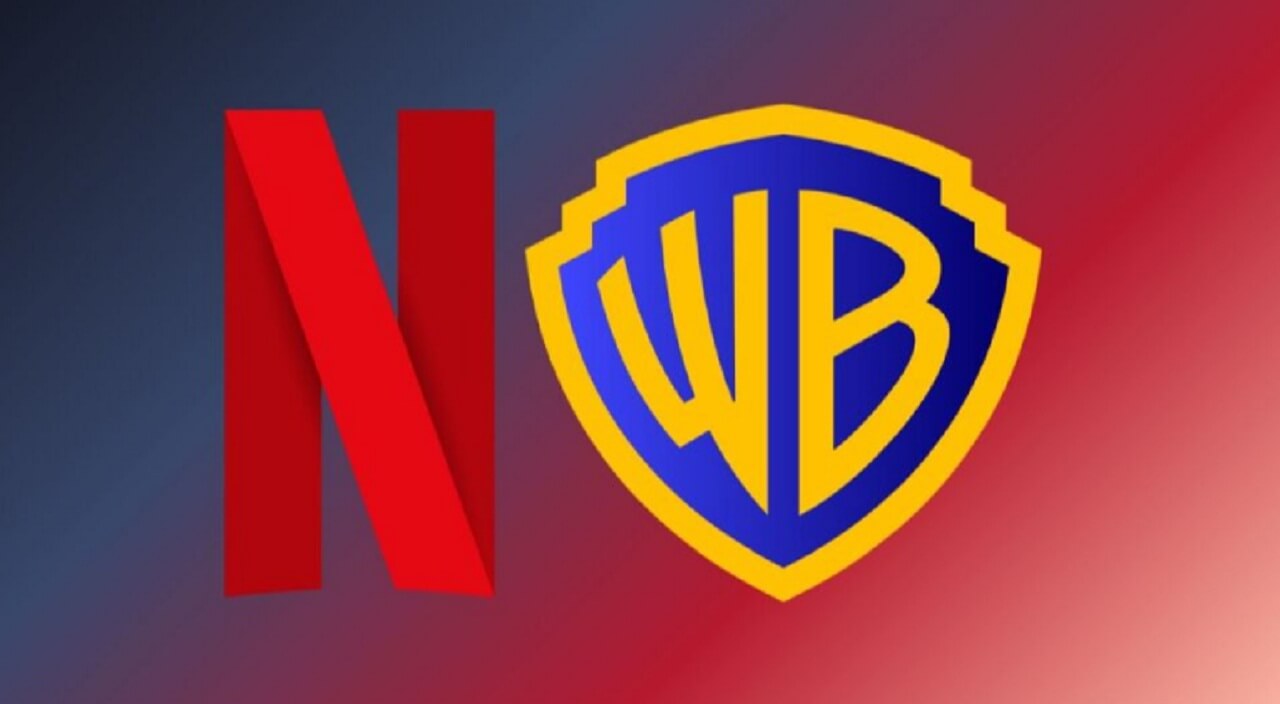
- Netflix announces a definitive agreement to acquire Warner Bros. Discovery’s film, TV, and streaming divisions in an $82.7 billion cash‑and‑stock deal.
- The acquisition brings Harry Potter, Game of Thrones, DC Universe, HBO, and HBO Max under Netflix.
- Warner Bros.’ cable networks—including CNN, TNT, and Discovery—will be spun off into a separate public company.
- The deal follows a fierce bidding war against Paramount, Skydance, and Comcast.
- Regulatory scrutiny in the U.S. and Europe is expected, with the deal projected to close in 12–18 months.
Netflix Announces Historic Move to Acquire Warner Bros. Discovery Assets
In one of the most consequential mergers in entertainment history, Netflix revealed on December 5, 2025, that it has reached a definitive agreement to acquire Warner Bros. Discovery’s film, television, and streaming divisions. The deal, valued at $82.7 billion including debt, marks a dramatic shift in Hollywood’s competitive landscape.
If approved, the acquisition would unite two of the industry’s most influential content libraries under a single global streaming powerhouse.
A Century of Warner Bros. Content Joins the Netflix Ecosystem
The merger would bring Warner Bros.’ iconic franchises—including Harry Potter, Game of Thrones, and the DC Universe—into Netflix’s portfolio. HBO and HBO Max would also fall under Netflix’s control, creating an unprecedented consolidation of premium programming.
For Netflix subscribers, the move could eventually mean access to Warner Bros.’ extensive catalog through bundled offerings or integrated streaming platforms.
A Fierce Bidding War Ends in Netflix’s Favor
The agreement follows weeks of intense negotiations and a competitive bidding process. Netflix reportedly outbid Paramount, Skydance, and Comcast, offering roughly $28 per share—a figure that ultimately secured the deal.
Under the terms:
- Warner Bros. shareholders will receive $23.25 in cash
- Plus approximately $4.50 in Netflix stock per share
The acquisition represents a major strategic shift for Netflix, which has historically focused on building its own content rather than purchasing legacy studios.
Discovery Networks to Spin Off Into Separate Company
A key condition of the deal is the separation of Warner Bros. Discovery’s cable network business. Discovery Global—a new publicly traded company—will house linear channels such as:
- CNN
- TNT
- Discovery Channel
Netflix will absorb the studio and streaming assets, while Discovery Global continues operating independently in the linear TV space.
Regulatory Challenges Loom
The acquisition is expected to face significant antitrust scrutiny in both the United States and Europe. Regulators will examine the impact of combining two major entertainment entities at a time when concerns about media consolidation are at an all‑time high.
The deal is projected to close within 12 to 18 months, pending regulatory approval and shareholder votes.
Industry Reaction: Excitement and Alarm
While Netflix Co‑CEO Ted Sarandos praised the acquisition as a natural extension of the company’s mission “to entertain the world,” the reaction across Hollywood has been mixed.
- Theater operators have voiced strong concerns, calling the merger an “unprecedented threat” to the cinema ecosystem.
- Netflix has attempted to ease tensions by pledging continued theatrical releases for Warner Bros. films.
Still, the consolidation raises questions about the future of theatrical windows, streaming competition, and creative independence.
What Happens Next?
As the deal moves through regulatory review, both companies will continue operating independently. Industry analysts expect further consolidation across Hollywood as studios and streamers race to secure content libraries and global distribution power.
If approved, the merger would create an entertainment giant unmatched in scale—potentially redefining how audiences worldwide consume film and television.