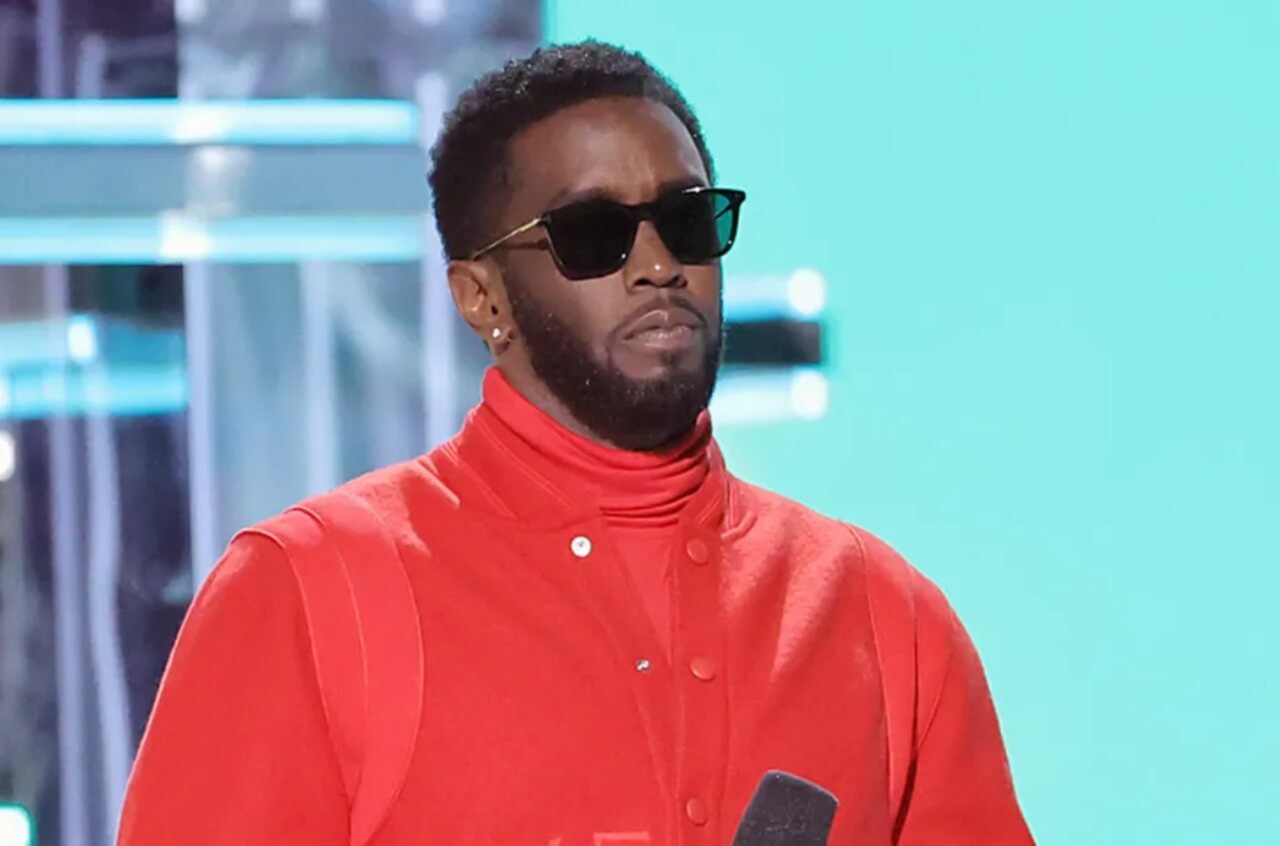
The newly released Netflix docuseries “Sean Combs: The Reckoning” has ignited heated public debate and sharply divided reactions, as it confronts the complex legacy of music mogul Sean “Diddy” Combs in the midst of serious allegations and multiple ongoing legal battles. The series arrived to strong scrutiny and public tension after Combs’s legal team condemned the trailer as a “shameful hitpiece,” while critics have since labeled the production “grimly necessary” for its unflinching look at longstanding accusations.
The documentary, executive produced by rapper Curtis “50 Cent” Jackson, a well-known longtime rival of Combs, examines Combs’s rise to fame alongside disturbing allegations spanning several years. It features testimonies from former associates, jurors from his recent federal trial, and individuals who have filed civil lawsuits accusing Combs of sexual misconduct—allegations that Combs has repeatedly denied.
Legal Background and Ongoing Appeals
The release of the docuseries follows Combs’s conviction earlier this year on two counts of transportation to engage in prostitution, for which he received a 50-month prison sentence. He was found not guilty on more serious charges, including sex trafficking and racketeering conspiracy. Combs is currently appealing both his conviction and sentencing while also facing several pending civil suits.
In response to the documentary, Juda Engelmayer, spokesperson for Combs, accused Netflix of presenting a narrative shaped by individuals motivated by personal and financial interests. He argued that such allegations should be addressed through the court system, not a documentary he claims lacks essential context and factual accuracy.
Voices From the Trial
Two jurors from Combs’s recent trial appear in the series, providing rare insight into deliberations. One juror expressed shock during the proceedings, referencing hotel surveillance footage used as evidence. Another described the trial as emotionally complicated, suggesting difficulty distinguishing between what appeared to be mutual affection and allegations of coercion.
Former assistant Capricorn Clark recounts alleged harassment and workplace intimidation under Combs’s leadership. She claims the jury was captivated by Combs, diminishing the weight of testimony from those who spoke against him. Singer Aubrey O’Day, formerly of Danity Kane, also participates, describing uncomfortable interactions and alleging retaliation after rejecting inappropriate advances — claims Combs has strongly denied.
The documentary additionally presents allegations from former associate Kirk Burrowes involving Combs in the death of Tupac Shakur—an unverified claim that has circulated for decades. Legal experts appearing in media discussions have emphasized that such claims remain speculative and unproven.
Additional Controversy and Legal Pushback
The docuseries includes previously unseen footage allegedly filmed shortly before Combs’s arrest. Combs’s representatives have issued a cease-and-desist letter to Netflix, asserting unauthorized use of personal material and accusing the producers of exploiting sensitive issues for public attention.
The director of the series defended the project, stating that all footage used was legally obtained and arguing that the film seeks to raise questions about the public’s relationship with celebrity culture.
Despite criticism, the series has generated widespread conversation surrounding accountability, power, and celebrity influence—with many viewers debating how public figures should be judged in the era of viral media scrutiny.
As Combs continues to navigate ongoing legal proceedings, the docuseries ensures that public discourse surrounding his career and character remains highly charged and far from resolved.