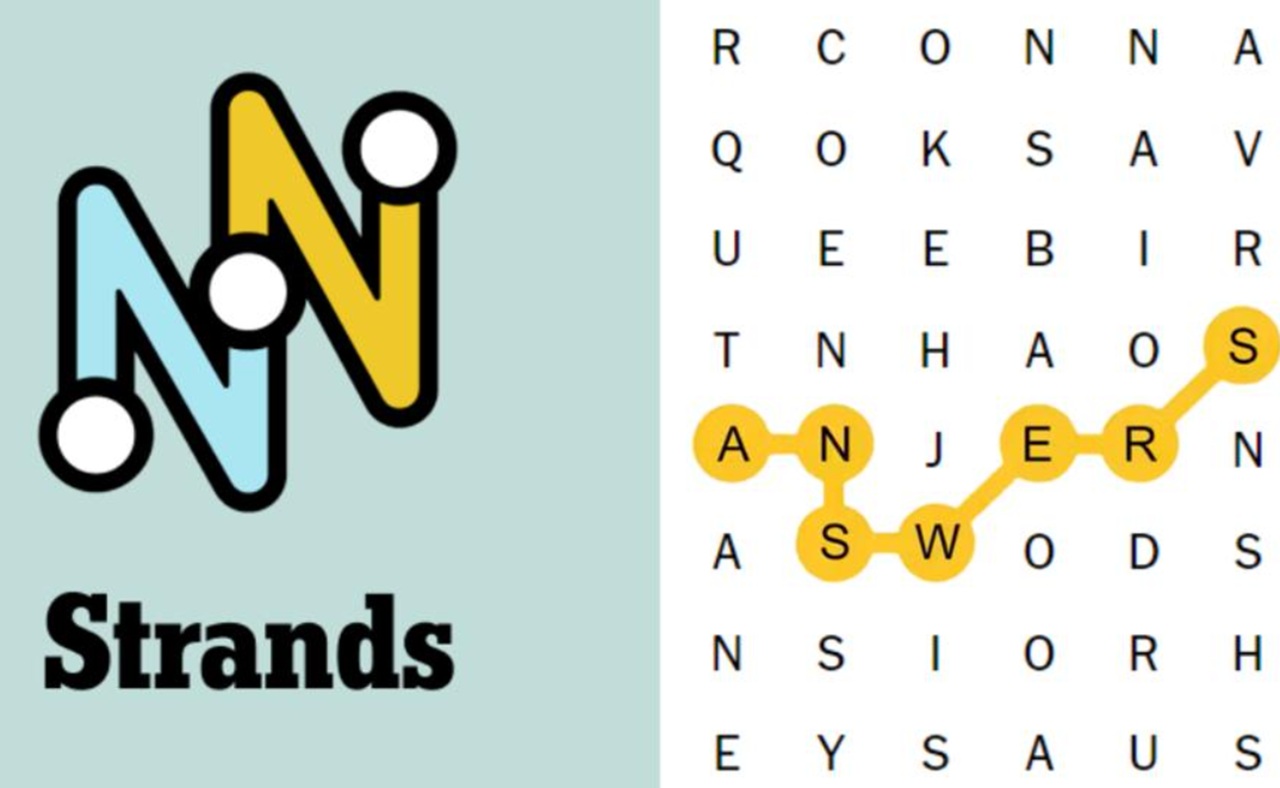
The New York Times Strands puzzle for October 18, 2025 has word-game enthusiasts buzzing. Known for its clever design and engaging challenges, Strands delivers a daily brain workout that’s perfect for word lovers in the U.S., U.K., and beyond. Today’s puzzle, Puzzle #594, revolves around a highly relatable theme: “Get to work…”, capturing the frustrations and quirks of commuting and daily routines.
Whether you are a seasoned solver or just exploring the world of Strands, this article breaks down everything you need to know—including theme insights, Spangram analysis, puzzle solutions, and strategies to master the game.
What is NYT Strands?
For readers new to the game, NYT Strands is a word puzzle that blends word search mechanics with Spangram challenges. Unlike traditional crossword puzzles, Strands requires players to connect letters in a grid to form specific words. Each puzzle comes with a unique theme and a Spangram, which is a special word or phrase that spans the entire grid.
Strands puzzles vary in difficulty, but they consistently challenge your vocabulary, spatial reasoning, and theme recognition skills.
Understanding the ‘Get to Work’ Theme
The theme “Get to work…” cleverly reflects the morning rituals and obstacles everyone faces while heading to work. From oversleeping to traffic jams, the theme resonates with millions of people. In Puzzle #594, the words included in the grid are directly tied to common commuting delays and workplace preparations.
The theme not only adds a layer of humor but also provides contextual hints that help solvers guess certain words. Recognizing the theme early can significantly speed up puzzle completion.
The RUNNINGLATE Spangram
One of the standout features of today’s puzzle is the Spangram: RUNNINGLATE. A Spangram is a word or phrase that spans the grid and often uses every letter, making it a central clue for the puzzle.
The phrase RUNNINGLATE perfectly aligns with the theme, highlighting the universal experience of rushing to work. Solvers who identified the Spangram first often found the rest of the puzzle easier to complete, as it pointed to the context of the remaining words.
All Words in Today’s Puzzle
The Strands puzzle typically requires identifying multiple words that align with the theme. For October 18, 2025, some of the key words included:
ALARM: Representing the essential yet sometimes frustrating morning wake-up call.
CLOSURE: Road closures that disrupt daily commuting routes.
CONSTRUCTION: A common cause of delays in many urban commutes.
DETOUR: Alternate routes that may or may not save time.
WEATHER: Rain, snow, or fog can slow down travel significantly.
These words not only matched the theme but also required strategic placement on the grid to connect letters efficiently.
Puzzle Difficulty and Solving Strategy
Puzzle #594 is considered moderate in difficulty, rated 3/5 by NYT standards. For solvers, success relies on a combination of pattern recognition, spatial reasoning, and theme awareness.
Pro Tips for Solving Strands Puzzles:
Focus on the Theme: The puzzle’s theme is a powerful guide to guess the words quickly.
Identify the Spangram First: Spangram words span the grid and often provide clues for intersecting words.
Use Common Letters Efficiently: Many words share letters, so plan connections to maximize coverage.
Check Lengths and Overlaps: Longer words often intersect with shorter ones, offering strategic advantages.
Practice Regularly: Familiarity with past puzzles improves speed and accuracy.
Why NYT Strands Appeals to Word Lovers
The charm of NYT Strands lies in its blend of mental challenge and entertainment. Unlike typical crosswords or word searches, Strands puzzles combine logic, vocabulary, and strategy, making each puzzle a mini brain workout.
For U.S. and U.K. audiences, Strands offers:
A quick daily challenge for coffee breaks or commutes.
An educational experience, expanding vocabulary and problem-solving skills.
Cultural relevance, as themes often reflect everyday life scenarios.
Puzzle #594, with its commuting theme, is a perfect example of how Strands integrates real-life experiences into gameplay.
The Cultural Context: Commuting Woes
Today’s theme resonates globally. Commuting is often stressful, with unpredictable traffic, public transport delays, and early alarms. By centering the puzzle around “Get to work…”, Strands cleverly taps into a universal experience.
This relatability boosts engagement, as solvers see their daily life mirrored in the puzzle, making the experience both entertaining and personally meaningful.
Expanding Your Strands Skills
To excel at Strands puzzles, consider:
Tracking recurring themes: Certain themes, like commuting or holidays, appear repeatedly.
Learning Spangram strategies: These unique words are central to the puzzle solution.
Practicing grid efficiency: Plan word paths to minimize overlaps and dead ends.
Using hints sparingly: The NYT provides hints, but over-reliance can reduce skill growth.
By incorporating these techniques, solvers can improve speed, accuracy, and overall enjoyment.
Why Today’s Puzzle Matters
Puzzle #594 stands out not only because of its theme but also because of its educational and entertainment value. It encourages players to think critically while enjoying a shared cultural moment—being late to work, a situation everyone can relate to.
Additionally, the puzzle is a great conversation starter in workplace chats, online forums, and social media, as players often share strategies and solutions.
Final Thoughts
The NYT Strands Puzzle #594 for October 18, 2025, offers a perfect blend of challenge, relatability, and fun. Its ‘Get to Work’ theme and Spangram RUNNINGLATE make it both engaging and memorable. For word-game enthusiasts in the U.S. and U.K., it is a must-solve puzzle that exercises the mind while offering a touch of humor.
Whether you are a beginner or an advanced solver, this puzzle demonstrates how word games can reflect real life, improve cognitive skills, and provide entertainment simultaneously.