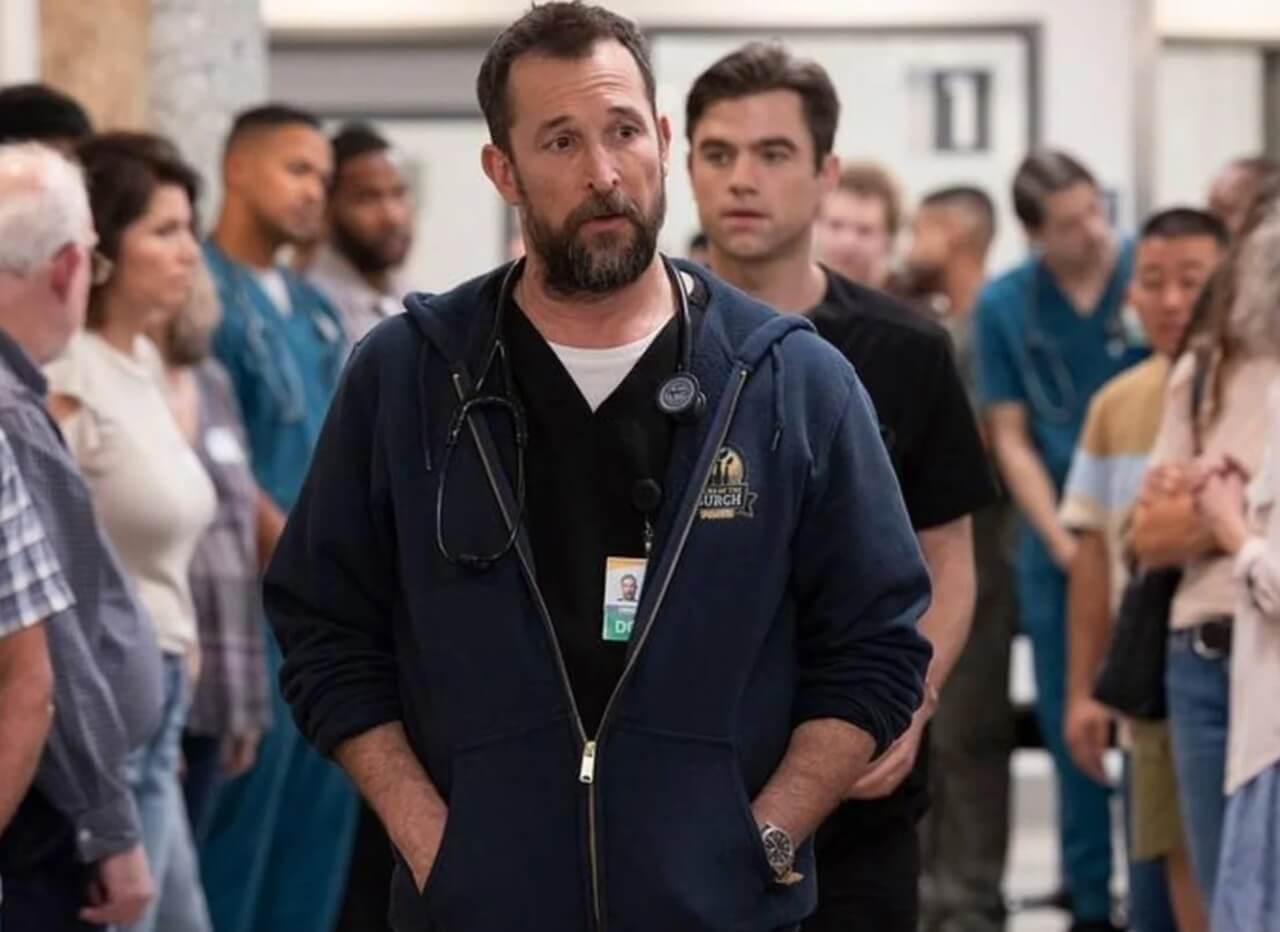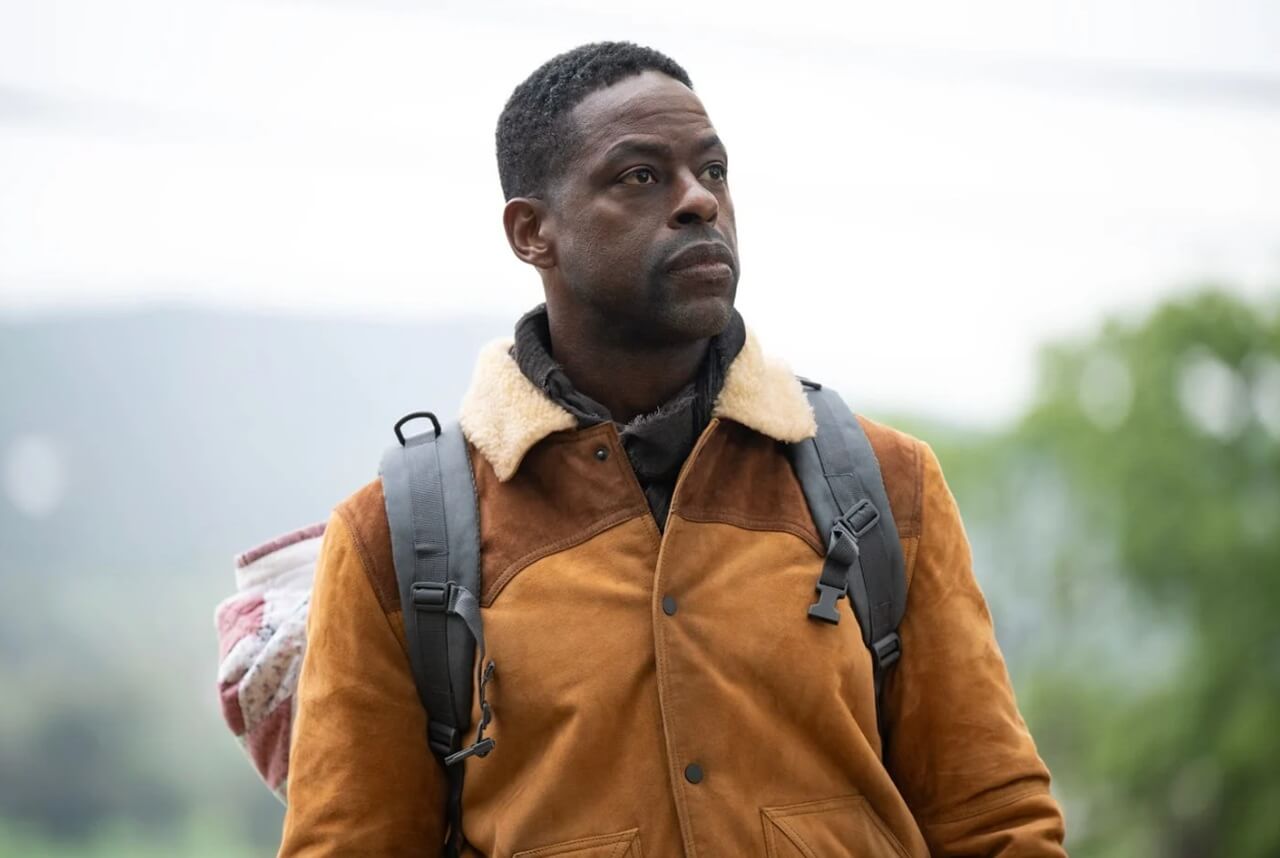

This year’s Oscar season has been marked by a striking trend: directors turning to non-professional actors to bring authenticity and rawness to their films. From Josh Safdie’s Marty Supreme to Paul Thomas Anderson’s One Battle After Another, everyday people with lived experiences have stepped into roles alongside Hollywood’s biggest names.
Realism on Screen
Timothée Chalamet recalled filming Marty Supreme opposite an extra who revealed he had spent 30 years in prison. “You really don’t want to see me angry,” the man told him, underscoring the intensity that non-actors can bring to a scene. Safdie deliberately cast individuals outside the traditional acting pool, including supermarket magnate John Catsimatidis, basketball legends George Gervin and Tracy McGrady, and even high-wire artist Philippe Petit. Catsimatidis summed up the experience: “I wasn’t acting: that was me.”
Anderson’s Experiment
Paul Thomas Anderson also embraced non-actors in One Battle After Another. Retired Secret Service agent James Raterman played Colonel Danvers, drawing on his real-life background. Anderson advised him: “Don’t pay attention to the words on the page; pay attention to what I need you to do at that particular time.” Raterman praised the collaborative environment, noting how A-list stars welcomed him as part of the team.
Blending Professionals and Amateurs
Casting director Jennifer Venditti, who worked on Marty Supreme, explained the philosophy: “We’re always trying to create this alchemy of incredible actors who know where scenes are going and wild people who don’t. That tension creates excitement.” While trained actors may initially find it unsettling, they often discover that the unpredictability enhances their own performances.
A Long Tradition
The use of non-actors is not new. Soviet classics like Battleship Potemkin and Italian neorealist films such as Bicycle Thieves relied on ordinary people to capture social realities. In the U.S., Harold Russell, a war veteran, won acclaim in The Best Years of Our Lives, while Haing S Ngor, a Cambodian doctor, won an Oscar for The Killing Fields. More recently, Yalitza Aparicio earned a Best Actress nomination for Alfonso Cuarón’s Roma despite having no prior training.
Controversy and Challenges
The practice remains divisive. Some critics argue it undermines the craft of acting, pointing to moments like four-year-old Victoire Thivisol winning Best Actress at Venice in 1996. Others highlight the difficulty non-actors face in sustaining careers once the spotlight fades. Catherine O’Rawe, professor of Italian film, noted: “The industry might love these people once but they’re not going to support them.”
The Oscar Spotlight
As films like Marty Supreme and One Battle After Another gain recognition, the debate intensifies. Are non-actors redefining performance, or are they temporary novelties? Either way, their presence has reshaped this year’s awards season, forcing Hollywood to reconsider what authenticity means on screen.