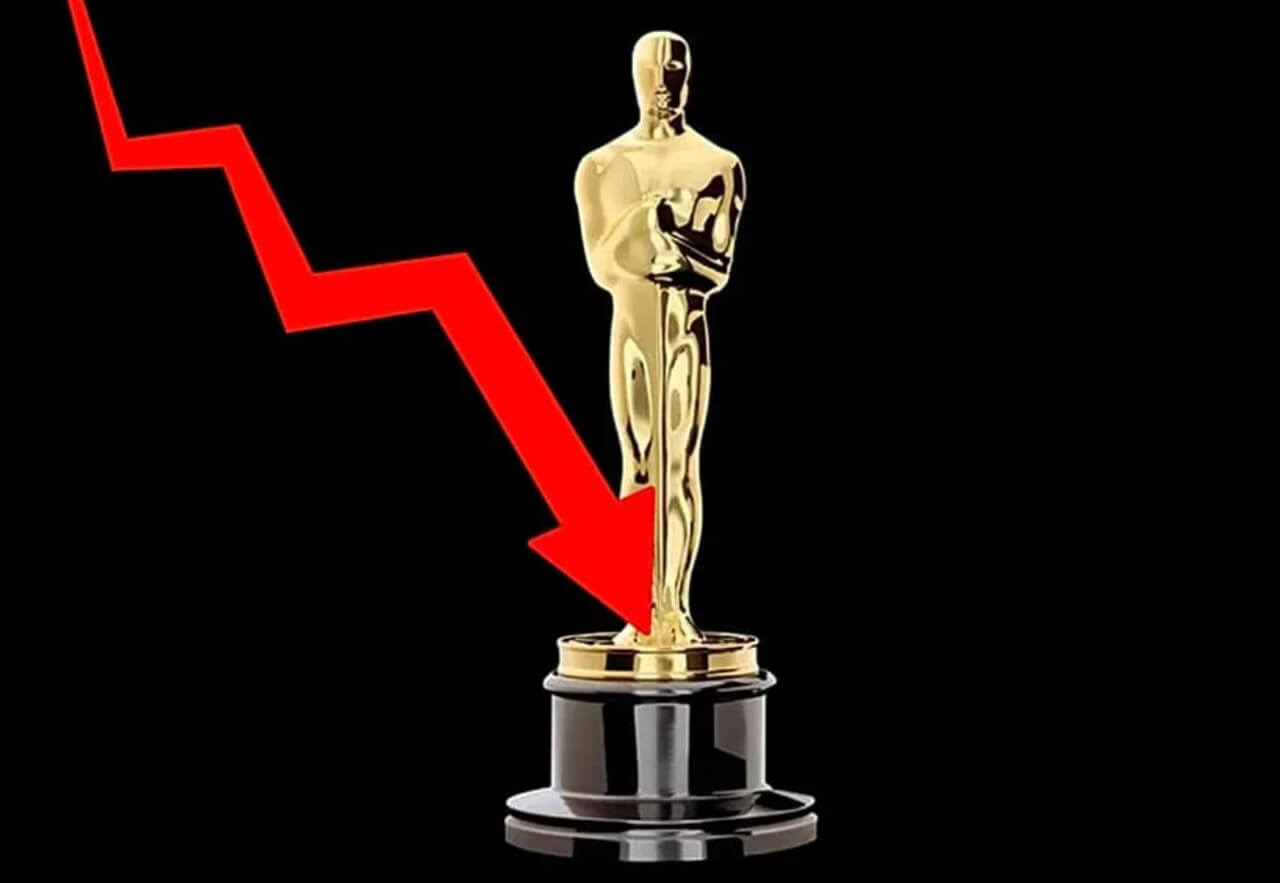
The 98th Academy Awards may have delivered one of the most entertaining shows in recent years, but viewership numbers tell a different story. According to Nielsen, 17.9 million people in the U.S. tuned in to watch One Battle After Another win Best Picture on Sunday night. That figure represents a nine percent drop compared to last year’s 19.7 million viewers.
A Decline in Context
The Oscars once routinely attracted audiences of more than 40 million, peaking at 43.7 million in 2014. Pandemic-era 2021 saw a record low of 10.4 million, followed by gradual recovery. Numbers climbed to 16.6 million in 2022, 18.7 million in 2023, and nearly 19.5 million in 2024. Last year’s ceremony drew 19.7 million, making this year’s decline notable.
Competition and Changing Habits
This year’s broadcast faced stiff competition from the World Baseball Classic semifinal between the U.S. and the Dominican Republic, which drew 7.37 million viewers. Broader shifts in viewing habits also play a role. Content oversaturation, shorter attention spans, and the pandemic’s impact on live TV consumption continue to affect ratings.
Awards Shows Across the Board
The Oscars are not alone in facing declining numbers. The Golden Globes dropped to 8.6 million viewers this year, down from 9.2 million in 2025. The Grammys attracted 14.4 million, compared to 15.4 million last year and 17 million in 2024.
Social Media Engagement Surges
Despite the ratings dip, the Oscars remain culturally relevant. Social media impressions during the telecast rose by 42 percent, reaching more than 181 million, according to Talkwalker’s Social Content Ratings. Viral moments and online engagement suggest the ceremony continues to resonate beyond traditional TV.
Looking Ahead
The Academy Awards will move exclusively to YouTube in 2029, a shift that could reshape how audiences engage with the show. For now, the Oscars remain the most-watched primetime entertainment telecast of the season, even as live viewership declines.