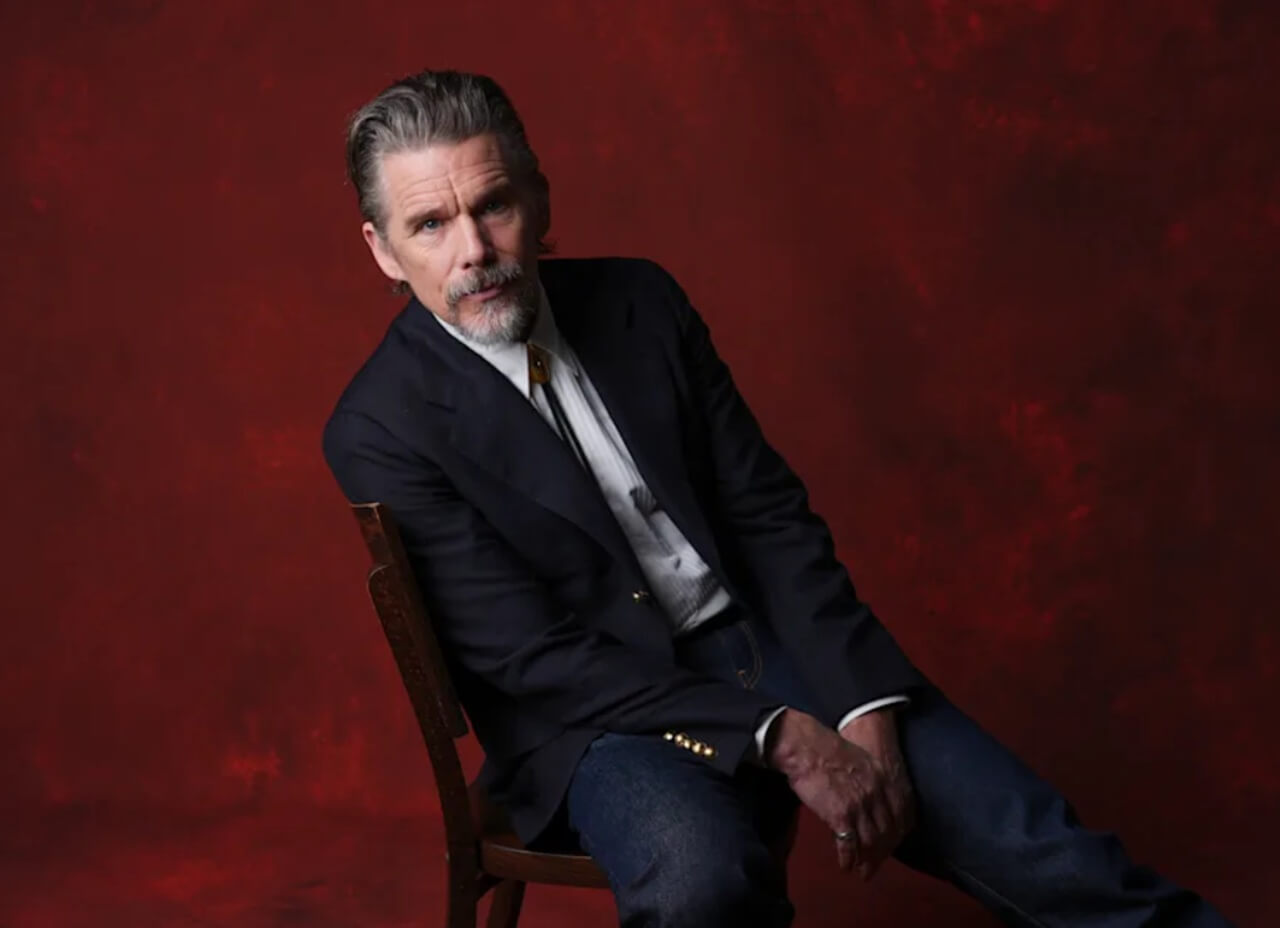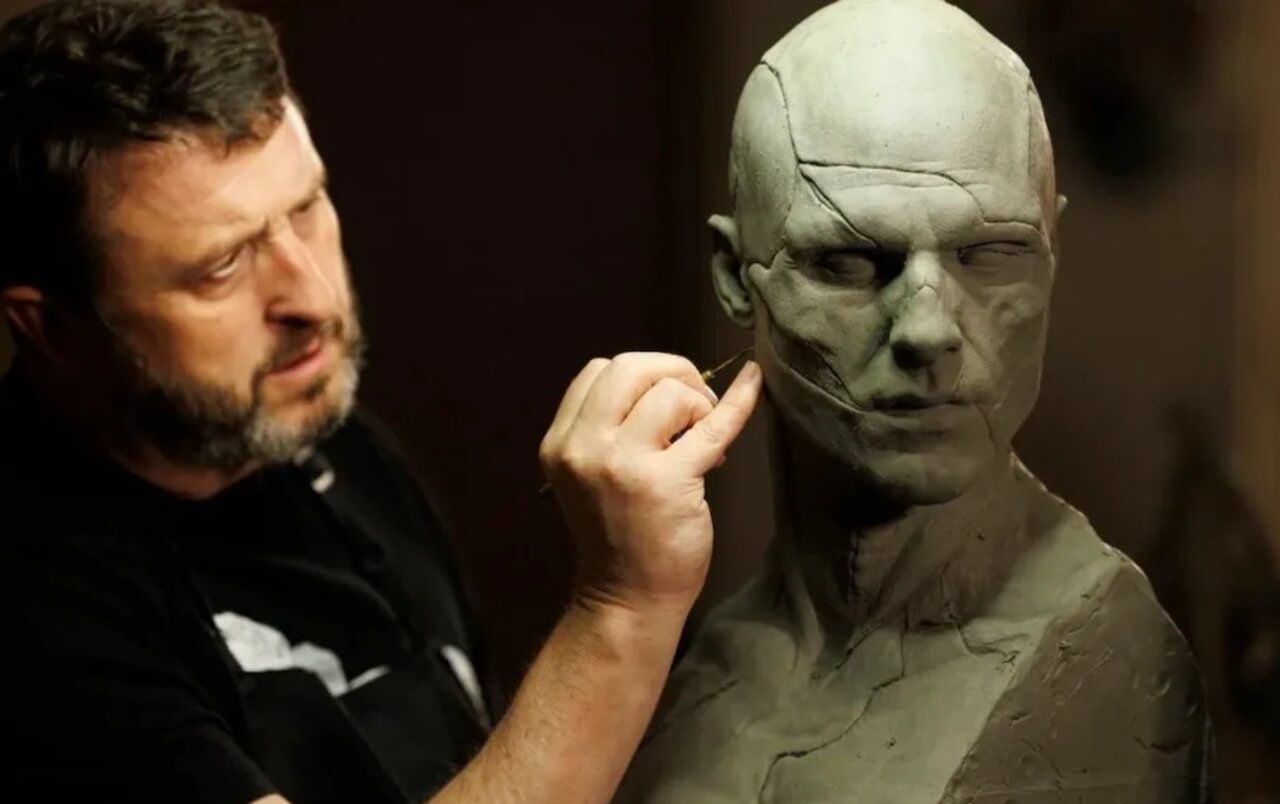

Ted Levine, who portrayed Buffalo Bill in the 1991 Oscar-winning classic The Silence of the Lambs, has acknowledged that certain aspects of the film’s dialogue and themes are problematic when viewed today.
Revisiting a Controversial Legacy
In a new interview with The Hollywood Reporter, Levine, now 68, admitted that the film’s portrayal of gender identity issues has not aged well. “There are some lines in that script and movie that are unfortunate,” he said. “We all know more, and I’m a lot wiser about transgender issues.”
One of the most criticized lines comes from Hannibal Lecter, who tells Clarice Starling: “Billy hates his own identity, and he thinks that makes him a transsexual, but his pathology is a thousand times more savage and more terrifying.”
Levine’s Perspective
Levine explained that at the time of filming, he did not question the script. Over the years, however, his understanding of gender and identity has evolved. “It’s unfortunate that the film vilified that, and it’s fing wrong,” he said. He clarified that he never played Buffalo Bill as gay or trans, but rather as “a fed-up heterosexual man.”
Producer’s Reflection
Edward Saxon, one of the film’s producers, also addressed the criticism. He insisted that Buffalo Bill was intended to be portrayed as an aberrant personality, not representative of LGBTQ+ identities. “From my point of view, we weren’t sensitive enough to the legacy of a lot of stereotypes and their ability to harm,” Saxon admitted.
Historical Context
Buffalo Bill’s character was loosely inspired by real-life murderer Ed Gein, who infamously exhumed graves and collected human remains. Director Jonathan Demme’s film went on to make history, becoming the first horror movie to win Best Picture and sweeping the “Big Five” Oscars: Best Picture, Best Director, Best Actor, Best Actress, and Best Adapted Screenplay.
Enduring Impact
While The Silence of the Lambs remains a landmark in cinema, Levine’s comments highlight how cultural awareness has shifted over the past 35 years. The film’s legacy continues to spark debate about representation, stereotypes, and the responsibility of storytellers.