Rian Johnson’s third Knives Out mystery, Wake Up Dead Man, arrives on Netflix in 2025 and has already sparked discussion for a structural shift that changes how detective Benoit Blanc enters the story. Rather than leading the opening scene or appearing within the first ten minutes, Daniel Craig’s Southern detective arrives nearly 40 minutes into the film — a notable departure from Knives Out and Glass Onion.
Fans and critics, including contributors at CinemaBlend, suggest that the decision strengthens the story and heightens the film’s emotional and narrative stakes.
Blanc steps into the mystery much later than before
In the 2019 original, Blanc speaks within minutes of the opening and immediately becomes central to the investigation of Harlan Thrombey’s death. In 2022’s Glass Onion, Blanc appears later — roughly 11 minutes into the film — during an early comedic bathtub sequence.
But in Wake Up Dead Man, Blanc’s first meaningful entry happens roughly 39 minutes into the runtime, after audiences have already met key characters and witnessed early tensions unfold inside the parish community at the fictional Our Lady of Perpetual Fortitude.
Rather than driving the investigation from the start, Blanc enters after Monsignor Jefferson Wicks — played by Josh Brolin — is found dead, and after multiple parishioners have shared glimpses of their histories and conflicts.
A shift in narrative perspective
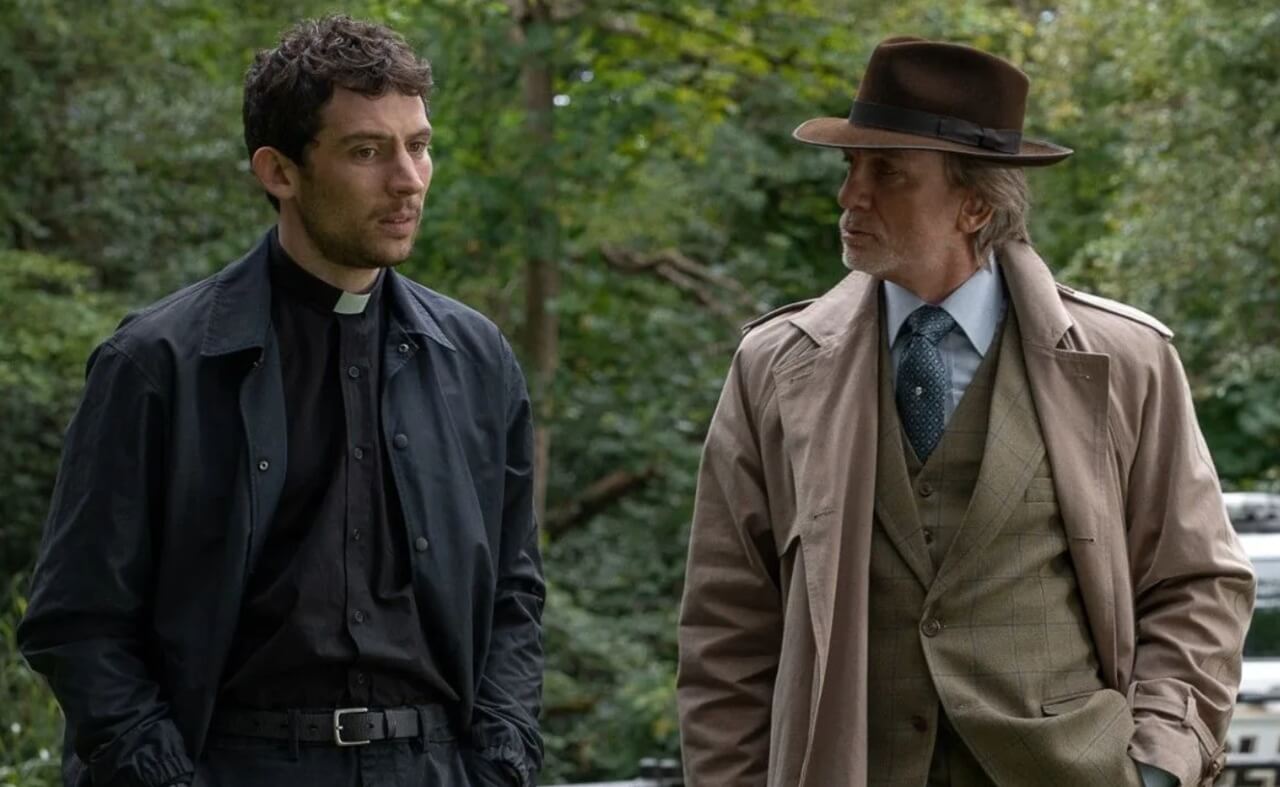
Much of the first act unfolds through assistant pastor Jud Duplenticy, played by Josh O’Connor. This framing allows the story to develop without immediately relying on Blanc’s signature deductions. Instead, the audience is positioned alongside Duplenticy in processing events, suspicions, and character revelations.
Some reviewers argue that delaying Blanc’s involvement gives the ensemble cast more space to establish compelling motives and emotional stakes beforehand. The pacing, they note, echoes traditional mystery formats in which outsiders arrive only after tensions fully surface.
The payoff of anticipation
The film opens with a brief glimpse of Blanc, but he recedes from the narrative until the pivotal moment when Duplenticy faces a personal crisis. When the church doors open and Blanc finally appears, the delayed suspense sharpens the impact of his arrival.
Supporters of the structural shift compare the moment to iconic timed entrances in other franchises, arguing that pacing strengthens the detective’s dramatic presence and signals that the ensemble, setting, and social conflict share equal narrative importance.
Reception and early critical response
CinemaBlend’s review describes the film as the strongest entry yet in the Knives Out franchise, praising its character grounding and narrative restraint. Reviewers suggest that Johnson’s restructured approach deepens emotional engagement and increases the mystery’s complexity by leveraging anticipation rather than immediate exposition.
The director has not commented publicly on the timing choice, but longtime fans note that Blanc’s evolving presence — more controlled and measured with each installment — reflects Johnson’s intent to reinvent the whodunit form rather than repeat earlier formulas.
As viewers continue to debate pacing and storytelling choices, the delayed entrance of Benoit Blanc stands out as one of the most discussed creative decisions in the threequel.