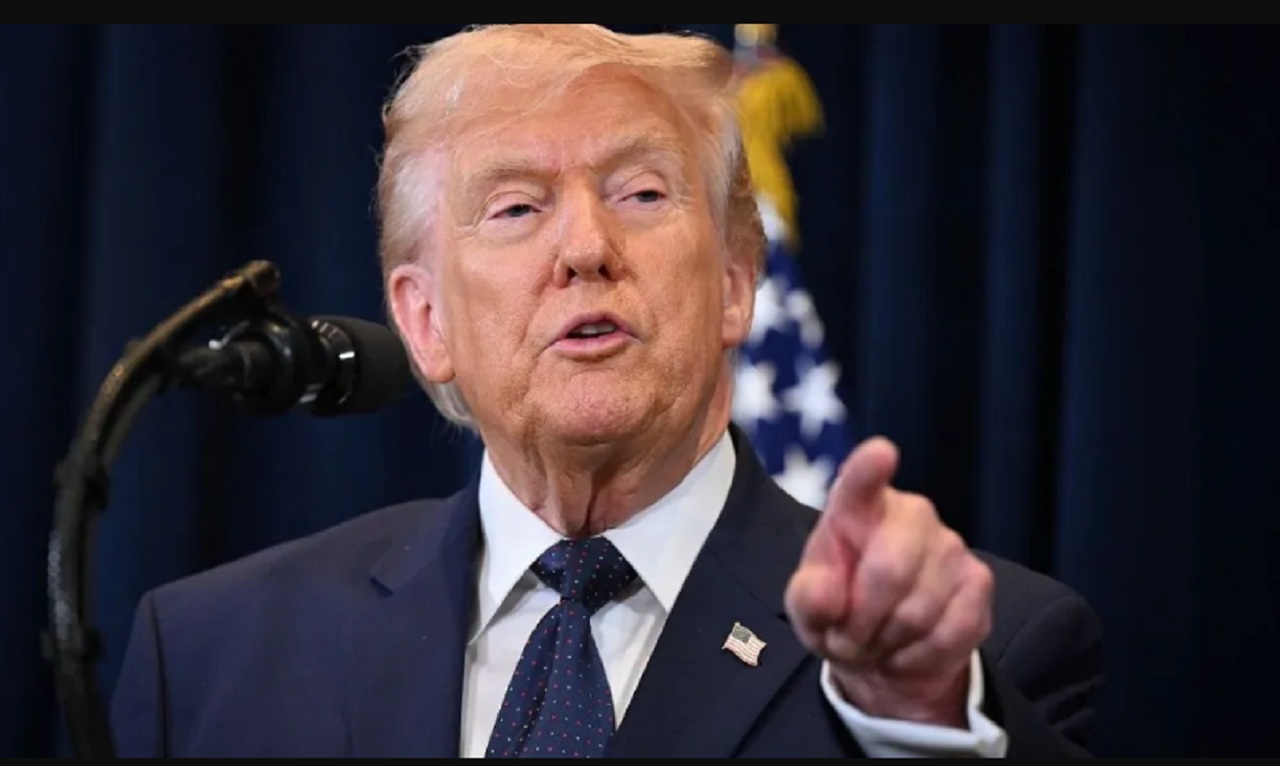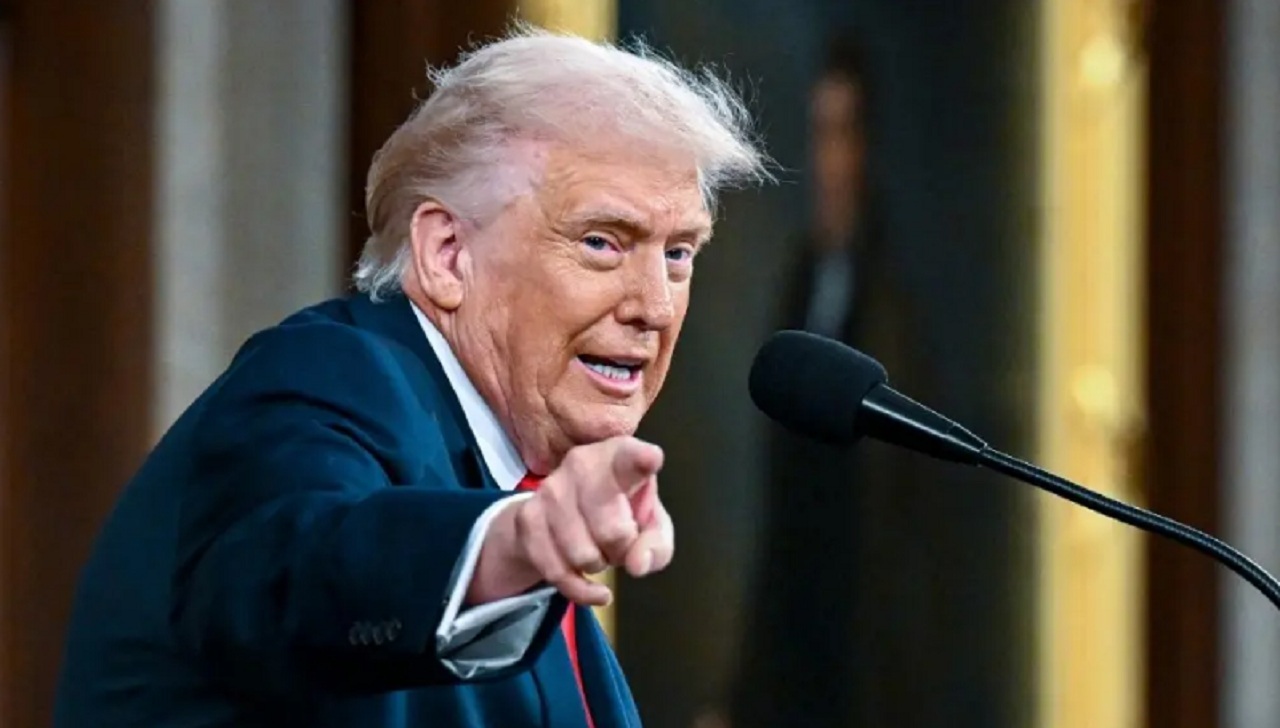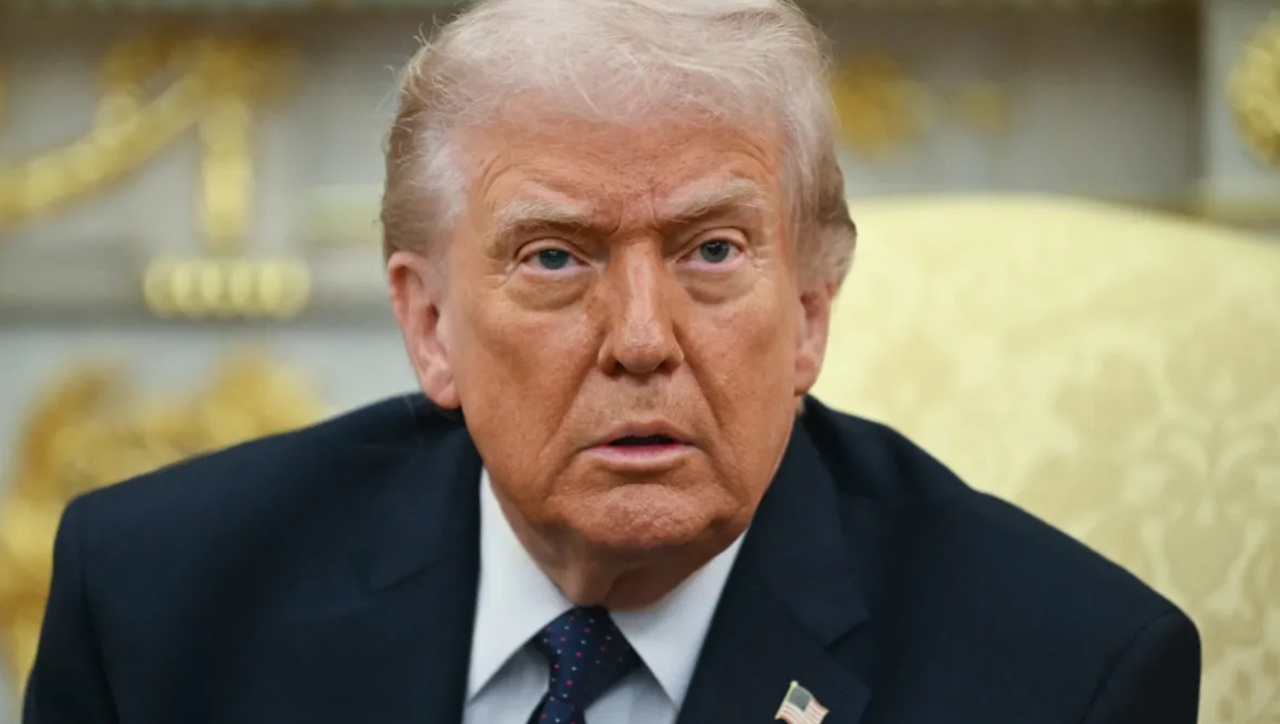
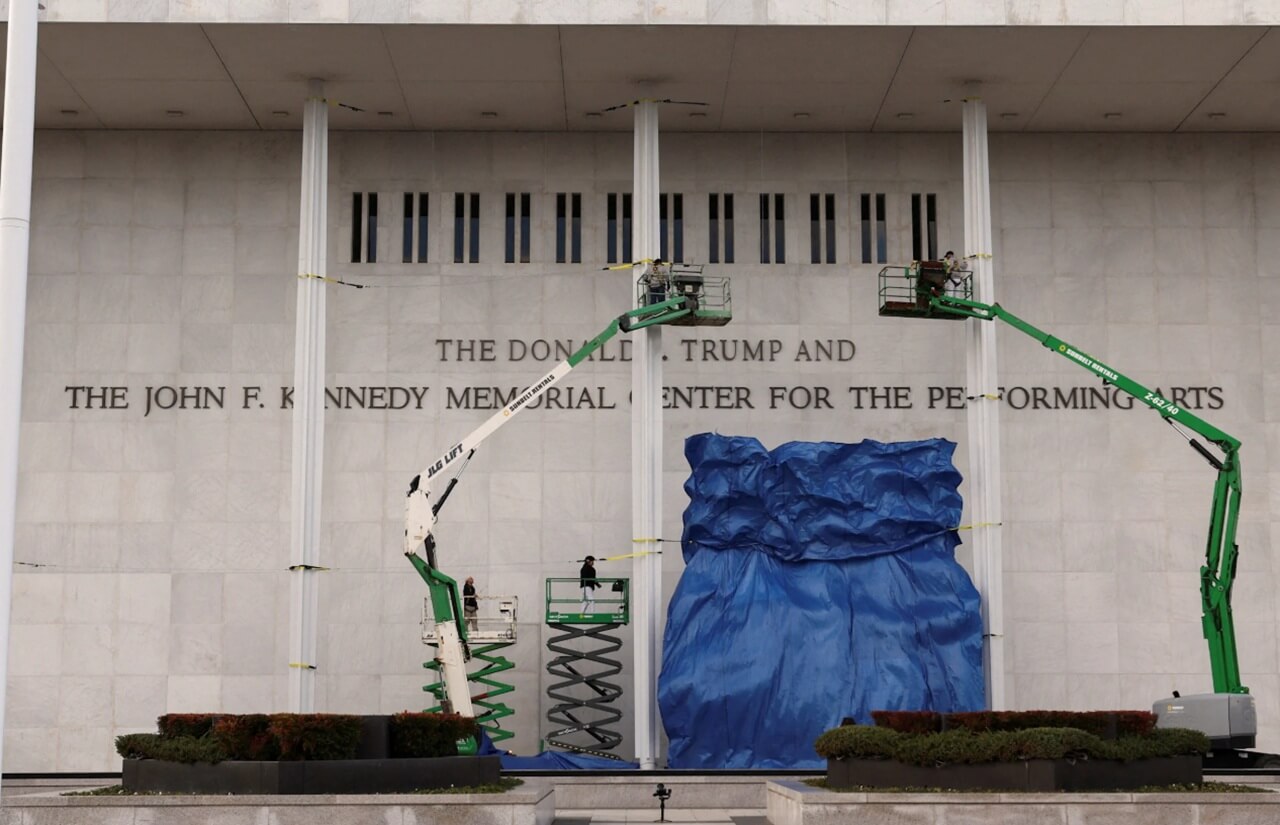
A wave of artist cancellations at Washington’s John F. Kennedy Center for the Performing Arts has ignited a fresh culture war debate after the venue’s name was formally changed to include former president Donald Trump. The venue is now officially known as The Donald J. Trump and the John F. Kennedy Memorial Center for the Performing Arts, a move approved by its board of trustees earlier this month. The decision prompted immediate backlash from several performers who said they could not appear at the institution under its new branding.
Musicians and Performers Pull Out
Jazz musician Chuck Redd canceled the annual “Christmas Eve Jazz Jam,” telling the Associated Press that he made the decision after seeing the updated name displayed online and on the building itself. Jazz supergroup The Cookers also withdrew from a scheduled New Year’s Eve performance.
In addition, New York-based dance company Doug Varone and Dancers canceled two performances planned for April, while Alabama folk singer Kristy Lee scrapped a January appearance, citing concerns about historical legacy and political symbolism.
Center Officials Push Back
Kennedy Center leadership has criticized the cancellations, arguing that artists should separate performance from politics. Interim president Richard Grenell said on social media that boycotts undermine the spirit of the arts. A spokesperson for the center said performers who cancel over political disagreements are failing to uphold what the organization views as a commitment to serve diverse audiences. The center maintains that the name change does not alter its programming mission, which continues to include classical music, jazz, theater, dance and contemporary performances.
Opinion Column Fuels Online Reaction
The controversy gained additional attention after USA TODAY columnist Rex Huppke published a sharply satirical opinion piece condemning the cancellations. The column, written in exaggerated and ironic language, framed the withdrawals as unpatriotic and mocked both the artists and the broader tradition of political protest in the arts. The piece quickly spread online, drawing strong reactions from readers across the political spectrum. While some applauded the column’s tone, others criticized it for inflaming tensions and trivializing artists’ concerns.
Longstanding Tension Between Art and Politics
The Kennedy Center has long occupied a symbolic role in American cultural life, frequently hosting events attended by presidents from both parties. Artist protests and boycotts have occurred under multiple administrations, reflecting the ongoing intersection of politics and performance.
Cultural analysts say the latest dispute underscores how arts institutions are increasingly pulled into national political debates, particularly as branding and leadership decisions take on heightened symbolic meaning. For now, the Trump–Kennedy Center continues its scheduled programming, even as the cancellations and public commentary ensure the debate is unlikely to fade quickly.