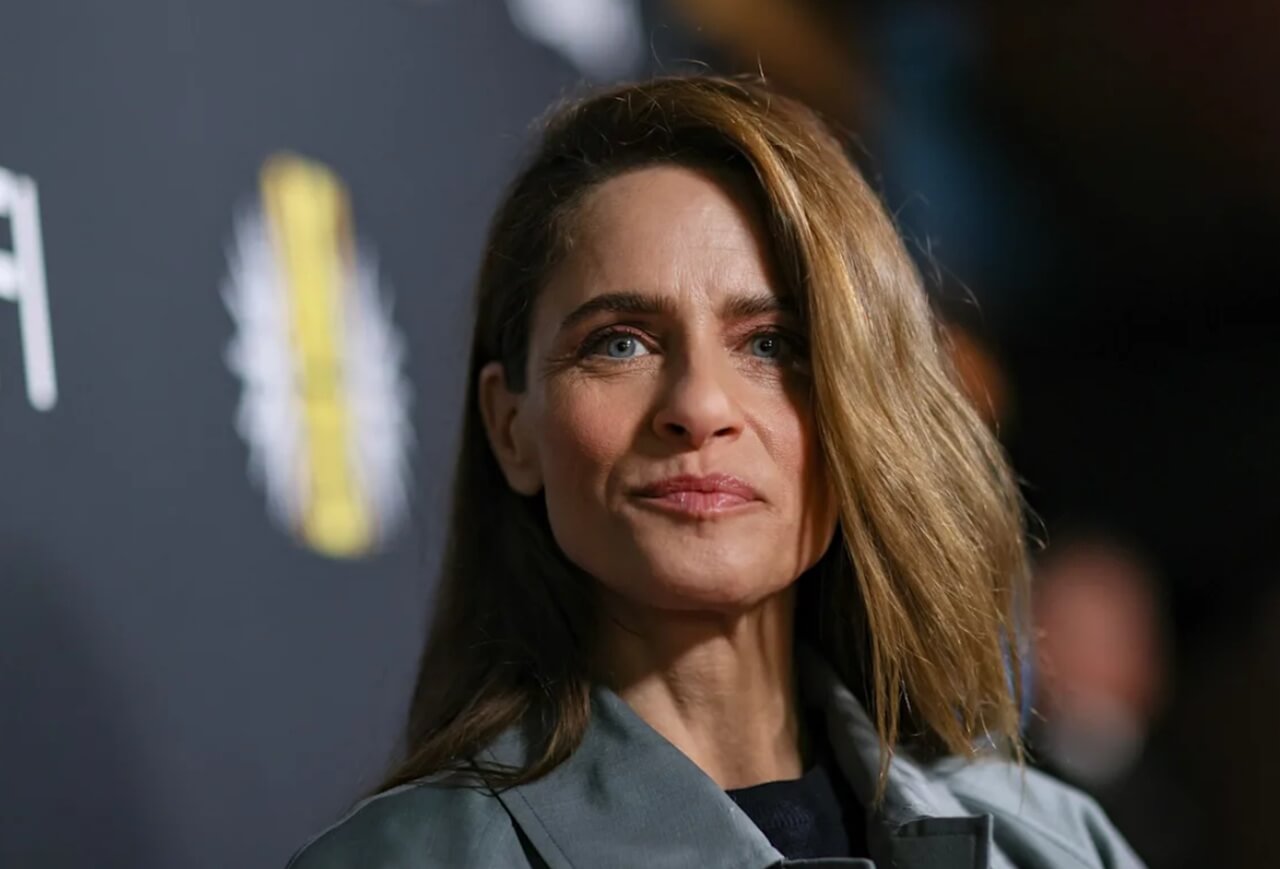
Actress Amanda Peet has revealed she was diagnosed with breast cancer while coping with the deaths of both her parents. In a deeply personal essay published by The New Yorker on March 21, Peet shared how the overlapping crises forced her to confront mortality and grief simultaneously.
A Diagnosis During Loss
Peet, 54, said her doctor discovered a small tumor during a routine ultrasound in August 2025. Days later, her father passed away. “As soon as my dad’s corpse was out of sight, I was free to panic about my cancer again,” she wrote. Her mother, battling late-stage Parkinson’s disease, entered hospice soon after. Peet chose not to disclose her diagnosis to her mother, who was already in fragile health.
Understanding Lobular Breast Cancer
The actress admitted to researching lobular breast cancer online, despite promising her husband she wouldn’t. She described the form as “tricky” and “insidious,” often underestimated in size compared to ductal breast cancer. Later, doctors found a second tumor that was benign, allowing her to undergo a lumpectomy and radiation instead of chemotherapy or mastectomy.
Coping With Parental Deaths
Peet recounted her father’s hospice death as clinical, while her mother’s decline was more harrowing. She described her mother’s final days with raw detail, noting her emaciation and paralysis. Peet was present at her mother’s passing, arranging her funeral just two weeks after receiving her first clear cancer scan.
Sharing With Her Children
Peet also revealed how she broke the news to her three children, whom she shares with husband David Benioff. Following her therapist’s advice, she chose honesty over appearing strong. Her daughters, Frances and Molly, reacted with fear but relief upon learning her cancer was Stage I and treatable. “If we were going to remain close… we would have to learn how to have difficult conversations,” she wrote.
A Story of Resilience
Peet’s essay highlights the intersection of personal tragedy and resilience. By sharing her journey, she sheds light on the emotional complexities of battling illness while enduring profound family loss. Her candid reflections underscore the importance of openness in navigating life’s hardest moments.