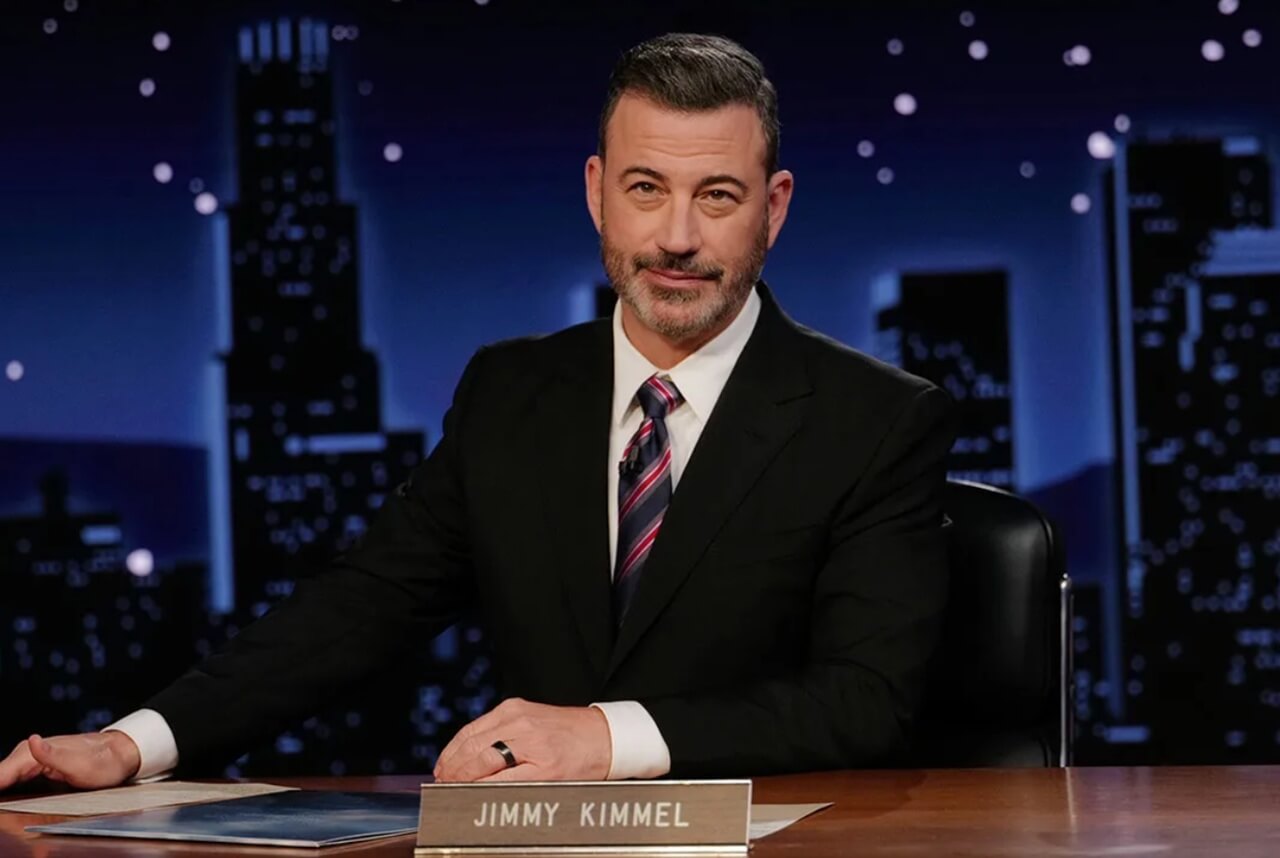
When ABC temporarily suspended Jimmy Kimmel earlier this year, the move appeared sudden and highly public. New details now show it was also deeply structural.
In a previously unreported filing with the Federal Communications Commission (FCC), Disney has argued that Kimmel’s weeklong absence from network television demonstrates that the long-standing system governing relationships between broadcast networks and local affiliate stations is functioning exactly as intended.
The filing reveals that pressure from local ABC affiliates, not just internal corporate deliberations, played a central role in the decision.
Affiliate Preemptions Triggered the Flashpoint
According to the FCC filing dated December 10, Disney said the suspension followed warnings from major local station owners—including Nexstar and Sinclair—that they intended to preempt Jimmy Kimmel Live! in several major markets.
The affiliates raised objections after controversial remarks Kimmel made following the murder of political activist Charlie Kirk. With preemptions looming, Disney executives held a call with station partners in an attempt to de-escalate tensions. Ultimately, the company opted to suspend Kimmel for a week.
Disney now cites that outcome as proof that affiliates retain meaningful control.
“ABC affiliated stations have exercised their right to preempt programming and will continue to do so without FCC intervention,” Disney told regulators, referencing past preemptions involving NYPD Blue, Saving Private Ryan, and Jimmy Kimmel Live!.
FCC Scrutiny Intensifies
The disclosure comes as FCC Chairman Brendan Carr has launched a broader inquiry into whether networks exert undue influence over local stations, potentially undermining their ability to serve community needs.
Carr has suggested that the balance of power between networks and affiliates may be skewed, particularly as major media companies pursue streaming-first strategies while raising affiliation fees.
A U.S. Senate FCC oversight hearing, scheduled for Wednesday, is expected to spotlight the Kimmel episode alongside larger questions about the future of broadcast television.
Networks Warn of Overregulation
Disney is not alone in pushing back against potential FCC intervention. NBCUniversal, Fox Corp., and Paramount Skydance have all submitted filings warning that new regulations could destabilize broadcasting.
NBCUniversal argued that FCC interference “may cause the demise of broadcasting,” while Fox said such action would “hurt the public interest.” Paramount called intervention “counterproductive.”
All three companies pointed to the growing dominance of Big Tech platforms—including Google, Amazon, Netflix, TikTok, and Instagram—as the real existential threat to free, over-the-air television.
Affiliates Demand Guardrails
Local station owners see things differently.
In a joint filing from the ABC, CBS, NBC, and Fox affiliate associations, station groups urged the FCC to take “decisive action” to rebalance what they describe as a lopsided relationship.
They argue that networks increasingly move premium content—especially sports and entertainment—to their own streaming platforms, while leaving affiliates with rising costs and shrinking leverage.
“If unchecked Network practices continue,” the filing warned, “more local stations will be forced to scale back or eliminate local news and community programming.”
Kimmel Case Seen as Symbolic
While Disney downplayed the significance of Kimmel’s suspension, calling preemptions “small potatoes,” the episode has become a symbolic flashpoint in a much larger conflict over money, control, and the future of broadcasting.
Even Sinclair, one of the affiliate groups involved, reportedly told Charlie Kirk’s widow it would seek an apology from Kimmel—underscoring how local pressures, not just corporate ones, shaped the response.
What Comes Next
Whether FCC intervention will reshape—or destabilize—the broadcast ecosystem remains unclear. What is clear is that the Jimmy Kimmel suspension has become a real-world test case in a rapidly changing media landscape.