
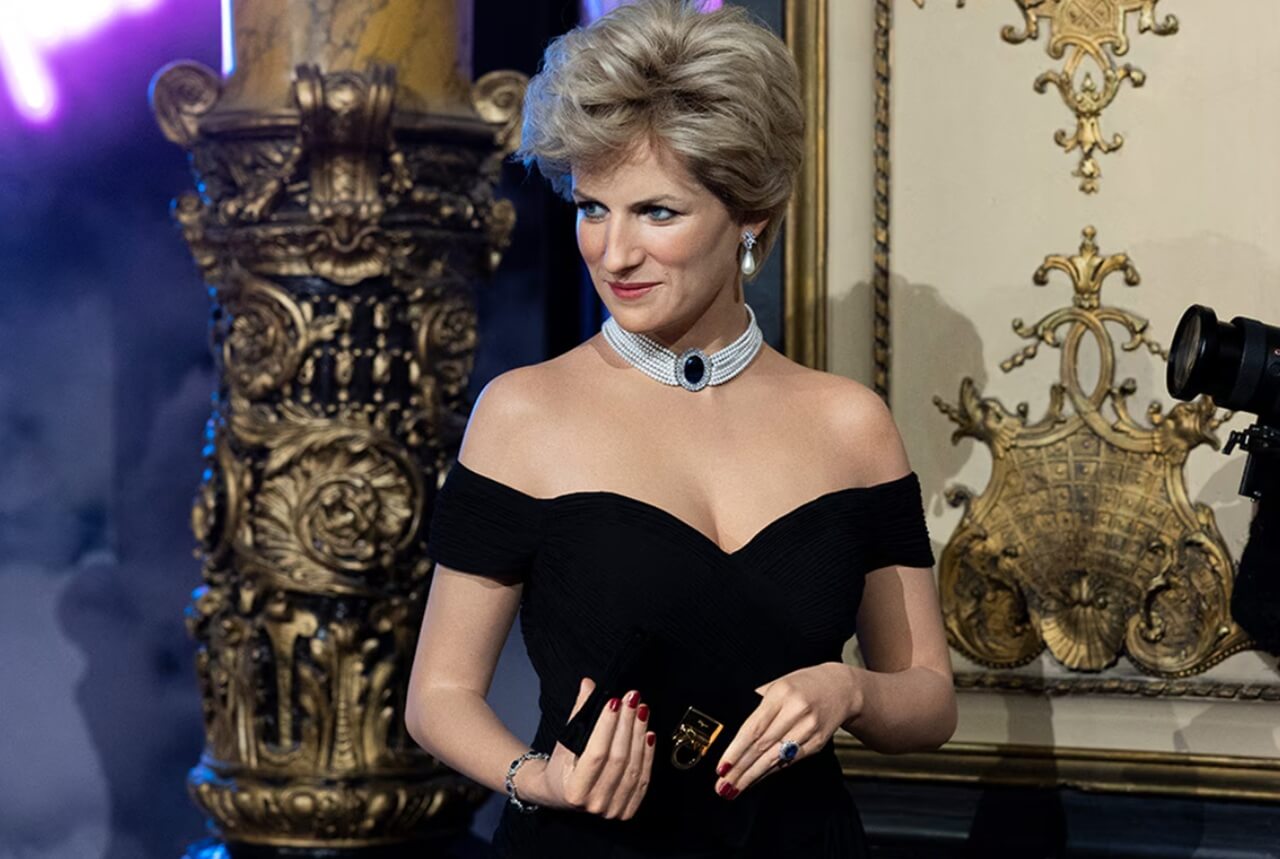
The Grévin Museum in Paris has unveiled a new Princess Diana wax figure wearing the iconic black “revenge dress,” marking one of the most recognizable moments in royal fashion history. The display opened this week at the historic museum, giving visitors a detailed recreation of Diana’s 1994 look and its cultural significance.
Summary Bullet Points
Grévin Museum unveils new Princess Diana wax figure
Features the famous 1994 “revenge dress”
Debut coincides with anniversary of her 1995 Panorama interview
Museum highlights Diana’s humanitarian contributions
Figure includes replica pearl choker worn on the original night
Key Details
The wax figure showcases Princess Diana in the celebrated Christina Stambolian black dress, a design that became globally known after she wore it to a London gala in 1994. The museum said it selected this outfit because it represents a turning point in Diana’s public identity—one defined by confidence, freedom, and resilience.
The exhibit opened on a symbolic date: the 30th anniversary of Diana’s 1995 BBC Panorama interview. The museum’s intent was to honor not only her fashion influence but the personal strength she displayed during a difficult period in her life.
What Officials Said
According to the Grévin Museum, the dress symbolizes “a pivotal moment of independence.” Diana wore the black dress on the same night a televised interview aired in which King Charles confessed to infidelity. Her appearance instantly became a cultural statement, widely interpreted as an assertion of dignity and personal empowerment.
The figure is accessorized with a replica pearl choker, mirroring her original outfit and adding to the authenticity of the presentation.
Impact on Visitors and Fans
The exhibit underscores Diana’s lasting influence on fashion, pop culture, and humanitarian work. Fans visiting the museum will find that the statue not only commemorates her style but also evokes her broader legacy as a compassionate public figure.
Additional Background
Beyond fashion, the museum highlighted Diana’s work in challenging stigma around illnesses such as HIV/AIDS. She was known for physically engaging with patients—small actions that had significant impact on global awareness and perceptions.
Curator Eleri Lynn notes that Diana’s fashion evolved after her separation, reflecting her growing responsibilities in public service. Many outfits from this period focused on practicality, supporting her extensive charity work.
The “revenge dress” remains one of the most photographed and discussed royal outfits in history. It is often referenced in documentaries, exhibitions, and royal analyses as a landmark moment in Diana’s post-separation identity. The new wax figure aims to preserve that historical importance for new generations who may know Diana through archives and media retellings.


