Key Points
- Tabitha Brown addressed backlash over her comments on the Target boycott.
- She warned the boycott could harm Black and Brown entrepreneurs whose products remain in Target stores.
- Brown clarified her intent was to educate, urging shoppers to prioritize Black-owned brands.
- Activists, including Pastor Jamal Bryant, criticized her stance, sparking debate.
- Brown continues to advocate for small businesses, adding new ethical clauses to her contracts.
Brown Speaks Out Amid Controversy
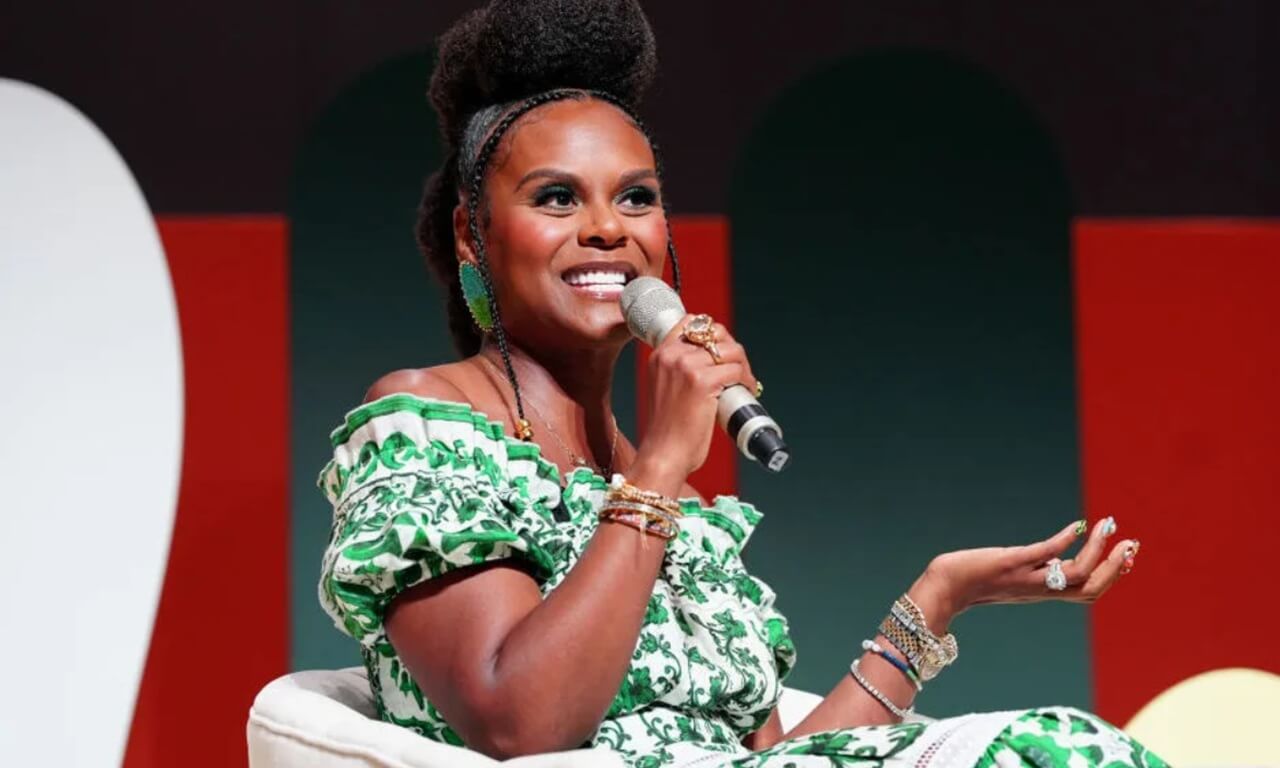
Content creator and entrepreneur Tabitha Brown has publicly defended herself following criticism over her remarks on the ongoing Target boycott. The backlash, which has intensified in recent weeks, prompted Brown to increase her personal security measures as tensions surrounding the protests grow.
Background on the Boycott
The boycott stems from concerns within the Black community about Target’s reduced commitment to diversity, equity, and inclusion initiatives. Activists have voiced frustration, calling for consumers to withhold support from the retailer.
Brown’s Perspective
Brown took a different position, warning that the boycott could unintentionally harm Black and Brown entrepreneurs whose products are still sold at Target. Speaking on iHeart’s Not My Best Moment podcast with comedian KevOnStage, she explained that many small business owners rely on Target’s visibility to sustain sales.
She noted the timing of the protests—just ahead of Black History Month—could be especially damaging, as the period is critical for many businesses. Brown cautioned that if sales decline sharply, Target may reduce or remove Black-owned products from its shelves.
Clarifying Her Intentions
Brown emphasized that her comments were not meant to dismiss the concerns of activists but to highlight the potential consequences of the boycott. She urged consumers who continue shopping at Target to prioritize Black-owned brands.
She also clarified that not all Black-owned products have been removed from stores, pushing back against misinformation circulating online.
Community Reactions
Her stance drew criticism from boycott organizers, including Pastor Jamal Bryant, who accused Brown of underestimating her influence. Brown responded by explaining that her ability to enact change within Target is limited, citing legal and financial constraints.
Moving Forward
Despite the controversy, Brown remains committed to supporting small businesses. She has updated her contracts to include a dual-morality clause, ensuring her values align with those she partners with. While acknowledging the challenges posed by the boycott, Brown expressed confidence in her continued advocacy for Black-owned brands.
What Happens Next
As the boycott continues to gain traction, Brown’s comments highlight the complex balance between activism and economic impact. Her advocacy underscores the importance of sustaining visibility for Black-owned businesses, even amid broader debates about corporate accountability.