
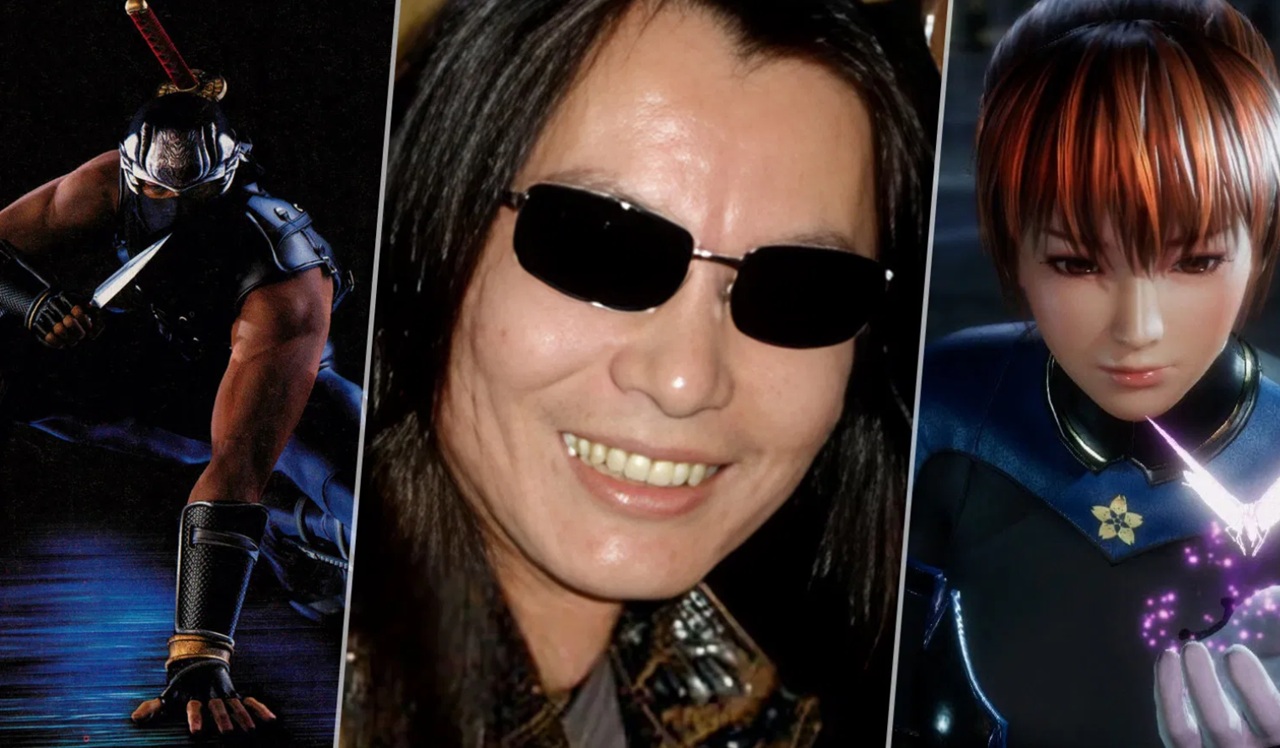
The world of gaming mourns a legend: Tomonobu Itagaki, the iconic video game designer, has passed away at the age of 58. Revered for his courageous design decisions, bold creativity, and uncompromising artistic vision, Itagaki shaped two of the most influential franchises in action and fighting games: Ninja Gaiden and Dead or Alive.
His death, confirmed in October 2025, jolts the industry and fans alike. But what made Itagaki more than just a name in credits? How did he rise, what battles did he fight, and how will his memory live on? Let’s unfold the life and legacy of the man behind the controller.
From Rookie to Revolutionary — Early Life & Rise in Gaming
Tomonobu Itagaki was born on May 1, 1967, in Japan. Though details of his childhood are scarce in public records, what stands out is his unyielding passion for video games. He entered the gaming industry in earnest when he joined Tecmo (a Japanese game publisher and developer) in 1992.
At Tecmo, Itagaki rapidly made his mark. He was not content with incremental improvements — he wanted bold leaps. Over time he established Team Ninja, a development studio within Tecmo focused on pushing boundaries in action and fighting gameplay. Under his leadership, this team pushed more than just polygons — they pushed expectations of speed, precision, and visceral experience.
Defining Franchises — Dead or Alive and Ninja Gaiden
Dead or Alive — Redefining the Fighting Game Formula
In 1996, under Itagaki’s direction, Dead or Alive launched. At first glance, it might have seemed like another fighting game in an era rife with them — but Itagaki imbued it with unique mechanics:
A fluid counter-attack/dodge system that rewarded timing
Fast-paced combat that emphasized aggression and movement
A daring aesthetic that, sometimes controversially, did not shy away from visual flair
Dead or Alive carved a niche. It stood in the shadow of giants like Street Fighter and Tekken, yet asserted itself with identity: vibrant arenas, dynamic camera angles, and a combat system that felt fresh and alive.
Ninja Gaiden (Reboot) — Reviving an Action Classic
Perhaps one of his most celebrated feats: in 2004, Itagaki led the revival of Ninja Gaiden for the Xbox. The original series had a cult following, but it was considered dated. Itagaki’s reboot did not merely update — it reinvented the action-adventure genre with:
Harsh difficulty that rewarded mastery
Fast, flowing combat with visceral feedback
Gorgeous (for the era) visuals and cutscenes
A protagonist, Ryu Hayabusa, given new depth and gravitas
That revival became a hallmark, not just for Tecmo or Team Ninja, but for action gaming as a whole — a benchmark many future titles would measure themselves against.
Artistic Philosophy & Design Ethos
What set Itagaki apart from many designers was his readiness to fight for his vision. He often spoke about conviction, about doing things on his own terms. He was known to be outspoken, occasionally controversial — but always passionately committed to what he believed a game should be.
Some hallmarks of his design philosophy:
Risk-taking over cautious iteration: He was willing to upend genre conventions
Player challenge as reward: He believed that overcoming difficulty forged a bond between game and player
Visceral feedback: Combat should feel alive, giving sensory and emotional weight to each strike
No apologies for aesthetics: Whether fans liked every visual choice or not, he held firm to bold styling
His approach wasn’t always smooth — at times, disputes with publishers or internal pressures arose. But for fans and colleagues alike, he remained a singular force.
Departure from Tecmo & Independent Ventures
In 2008, Itagaki parted ways with Tecmo. The split allowed him to reclaim total creative freedom. He founded a new studio with several former Team Ninja members, aiming to build games true to his philosophy.
In 2021, he established yet another studio to further his vision, even as the industry shifted toward live services, monetization models, and incremental franchises. Through it all, he held onto a core truth: gamers deserve bold experiences, not safe ones.
At the time of his passing, reports indicate that he was preparing a brand new title — a final gift he wished to present to his global fanbase.
Final Message: A Farewell from the Maker
Just days before his death, Itagaki posted a parting message on social media:
“The flame of my life is finally about to go out. If this message has been posted, that means the time has come … My life was a constant battle. And I kept on winning. … I only feel deep sorrow that I couldn’t deliver a new work to all my fans. That’s just how it goes.”
This message struck many hearts. It was poetic, direct, and deeply honest. He acknowledged his struggles, his regrets, and his pride. He left the world not with polished marketing but with a final, raw human note.
His passing was announced by his close friend James Mielke via Instagram and Bluesky, reporting that Itagaki had long battled a serious illness.
Impact, Influence & Legacy in the Gaming World
For Developers & Studios
Itagaki’s career is a blueprint for those who want to push boundaries. His willingness to challenge publishers, fight for game integrity, and demand excellence resonates widely. Many contemporary studios cite his works as influential, especially in action and combat design.
For Gamers & Fans
Generations have grown up mastering Dead or Alive counters or cursing (then loving) the brutal difficulty of Ninja Gaiden. Itagaki’s games were not casual diversions — they were gladiatorial tests. That kind of connection builds loyalty and reverence.
In the Broader Culture
Gaming is often measured by safe sequels, monetization tweaks, or formulaic upgrades. Itagaki never bowed entirely to convention. His career reminds us that daring voices still matter in entertainment, and that risk is central to art.
What Comes Next — Preserving His Vision
With his studios still standing and fans around the world, the question arises: what happens next?
Will his final project see completion under his team’s stewardship?
Will his design philosophy survive the pressures of modern publishing?
Can future creators inherit his fearless spirit?
The industry now faces the responsibility of preserving not just his titles, but his ethos: uncompromising, challenging, and deeply human.
Key Takeaways & Remembrance
Tomonobu Itagaki passed away at 58, leaving behind iconic franchises and a passionate legacy.
As a video game designer, he reshaped expectations about action, combat, and difficulty.
His longtail story — Tomonobu Itagaki biography and legacy — is more than credits: it is a narrative of battles, convictions, and creative rebellion.
His final message reflects both the beauty and pain of a life devoted to craft.
Now, the industry must ask how it can honor, continue, and evolve his vision.
In the end, Itagaki’s life was itself a game: a long fight, full of risk, passion, and moments of beauty. He won more than most — not through perfect scores, but by standing true to his convictions.
May his memory inspire game-makers to take bold steps. May his legacy teach fans that art — even digital — always asks something of us. And may his final title, whether completed or not, stand as the closing chapter of a thrilling saga.