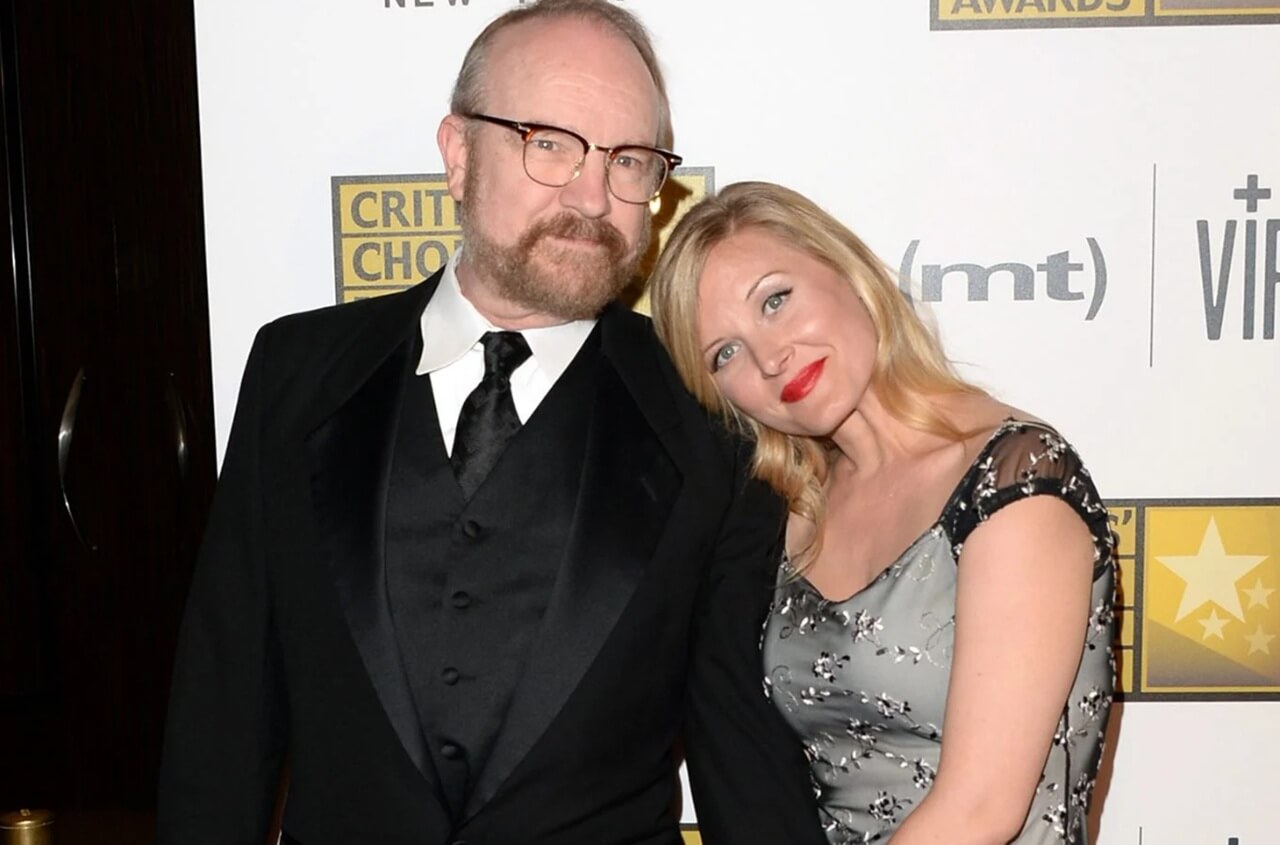

The finale of Stranger Things sparked intense debate among fans—particularly over one creative decision: the absence of major character deaths. While many viewers expected a darker ending for the beloved Netflix series, creators Matt Duffer and Ross Duffer have now explained why they chose a different path. Speaking on the Happy Sad Confused podcast with Josh Horowitz, the Duffer Brothers said killing off central characters would have gone against what Stranger Things has always represented.
A coming-of-age story at its heart
According to Matt Duffer, the show was never meant to revolve around death or shock value, even in its final chapter.
“The percentage of time spent talking about death and the deaths of characters is really small,” he explained. “That’s not what the show has ever been about. It’s an adventure, coming-of-age story.”
From its debut, Stranger Things focused on friendship, growing up, and facing fear together. While danger was always present—from Demogorgons to the Upside Down—the emotional core centered on how young people navigate loss, love, and identity.
Deaths were discussed—but didn’t feel right
The creators acknowledged they explored every possible narrative outcome while writing the final season, including the deaths of main characters. Ross Duffer said the writers’ room examined multiple scenarios to test what would feel earned and authentic.
“You explore everything,” Matt Duffer said. “Because why wouldn’t you? You want to explore every possible avenue in terms of where the season and the show could go, and you try to land on what feels right.”
Ultimately, killing off members of the central cast—including fan favorites like Eleven—did not align with the emotional resolution they envisioned.
Fan expectations and backlash
Despite the intent, the decision proved divisive. Some fans expressed disappointment online, arguing that the stakes felt lower without significant losses. Others felt unresolved plot points—such as ambiguous character fates—added to the frustration. The only notable death in the finale involved Kali Prasad, portrayed by Linnea Berthelsen, a character introduced earlier in the series. Her return and sudden death surprised viewers, though many questioned why her arc ended so abruptly while core characters survived.
A no-win situation for the creators
The Duffers acknowledged that no ending could satisfy everyone. Had they killed off major characters, a different segment of the fanbase would likely have reacted just as strongly. With an expansive ensemble cast and years of emotional investment, any fatal conclusion risked overshadowing the themes of hope and resilience that defined the show. Even Eleven’s storyline—hinting at sacrifice but stopping short of finality—reflected the creators’ desire to leave space for interpretation rather than final devastation.
Legacy over shock value
As Stranger Things closes its chapter, the creators say they prioritized emotional continuity over dramatic twists. Their goal was to honor the journey of characters audiences had grown up with, rather than ending it through tragedy. For the Duffer Brothers, preserving that spirit mattered more than delivering a shocking finale. Whether fans agree or not, the decision underscores a clear philosophy: Stranger Things was always about surviving together—and growing up along the way.